


25 Most Frequently Asked Questions About Visiting Türkiye in 2026

If you’re planning a holiday in Türkiye in 2026, the same practical questions tend to come up again and again: visas, safety, getting around, money, mobile data, dress codes, food and what to do if something goes wrong. Below are clear, traveller-focused answers to 25 of the most searched questions. Where rules can change (especially entry requirements, medicines and customs), treat this as guidance and double-check the latest details with the relevant official authority before you travel.
1) Do I need a visa to visit Türkiye?
It depends on your nationality, passport type and the purpose/length of your trip. Some travellers can enter visa-free, while others need to apply in advance (often online) or obtain a visa through an official channel.
Because visa rules can change, check the current requirements for your passport before booking flights. If you hold more than one passport, make sure you check the rules for the document you will actually use to enter and leave Türkiye.
2) How long must my passport be valid for?
Passport validity requirements vary by nationality and visa type, and airlines may also apply their own checks before boarding. As a sensible baseline, avoid travelling with a passport that is close to expiry and confirm the current requirement for your passport with official sources well before departure.
Also check that your passport has enough free pages (if stamps are issued for your route) and that the passport is in good physical condition. Damaged passports can cause delays at check-in or at the border.
3) What documents should I keep with me while travelling in Türkiye?
For most visitors, life is easiest if you can show identification quickly when needed (for example at hotel check-in, domestic travel, or if asked by officials). Carry your passport or a secure copy, depending on what you’re comfortable with and what your accommodation requests.
- Passport (or a secure photocopy/digital copy stored safely)
- Visa or entry confirmation if one is required for your nationality
- Travel insurance details and an emergency contact number
- Any key medical information (allergies, prescriptions) in English, and ideally also written clearly for local understanding
Keep originals protected from loss or pickpocketing, and store backups separately.
4) Is Türkiye safe for tourists?
Most trips are trouble-free, but “safe” depends on where you’re going, what you’re doing and the current situation. In the main tourist areas, the most common issues are the same as in many popular destinations: petty theft, overcharging and occasional scams.
Stay aware in crowded areas, keep valuables secure, and follow any current travel advice issued by your own government. If you’re visiting border regions or travelling widely, do a bit more planning and keep up to date with local guidance.
5) Is Türkiye suitable for solo travellers and women travelling alone?
Many people travel solo in Türkiye, including women, and find locals helpful and welcoming. As with anywhere, the experience depends on where you go and how you travel. Big cities and established resort areas are generally straightforward, while remote areas may feel more conservative.
Practical habits make a difference: use reputable transport, avoid isolated areas late at night, and trust your instincts. If you’d rather not navigate arrivals and taxis after a flight, a pre-booked private airport transfer can remove a lot of uncertainty.
6) What are the most common tourist scams or hassles to watch for?
Most visitors won’t face anything serious, but a few predictable problems come up frequently—especially in busy tourist districts.
- Overcharging in taxis: prefer official taxi ranks, ask for the meter to be used, and consider using a pre-arranged transfer for airport arrivals.
- Pushy “guides” or unsolicited help: be polite but firm; choose licensed guides or established tour operators for sightseeing.
- Inflated prices in tourist hotspots: check menus and prices before ordering; ask for clarity if something is unclear.
- Distraction theft: keep phones and wallets secure in crowded bazaars, tram stops and busy squares.
A good rule is to slow things down: if you feel rushed into a decision, step away and reassess.
7) What currency is used in Türkiye, and should I bring cash?
Türkiye uses the Turkish lira. Card payments are common in many places, especially in cities and established tourist areas, but cash is still useful for small purchases, tips and some local transport.
Rather than carrying a large amount of cash, many travellers prefer a mix: a modest amount of lira for day-to-day spending plus a card for bigger expenses. Always keep some cash separate from your main wallet as a backup.
8) Can I use my bank card in Türkiye, and are contactless payments common?
Many hotels, restaurants and shops accept international cards, and contactless payment is widely used. That said, acceptance can vary by area and by business type, and occasional technical issues do happen.
Let your bank know you’re travelling if needed, and carry a second payment method in case your primary card is blocked or a terminal is down. When booking travel services, look for operators offering secure card-payment options; TurPolia provides secure card payments for tours, excursions and private transfers, which can be helpful if you prefer not to carry large amounts of cash.
9) Where should I exchange money, and are ATMs easy to find?
ATMs are common in cities, airports and tourist centres, and exchange offices are also widely available. The best choice for you depends on your bank fees, exchange rates and convenience.
A few practical points help avoid frustration: use ATMs in well-lit, busy locations, keep an eye on your surroundings when withdrawing cash, and read on-screen prompts carefully before accepting any optional conversion offers. If you’re unsure, withdraw a small amount first and review your bank’s exchange rate and fees.
10) Will my mobile phone work in Türkiye, and should I buy a local SIM?
Most modern phones work in Türkiye, but roaming charges can be high. Many visitors buy a local SIM (or use an eSIM, if their phone supports it) for affordable data and local calls.
If you plan to stay for an extended period, be aware that there can be additional requirements for long-term use of foreign phones on local networks. For short holidays, it’s usually straightforward—just compare options based on coverage, data allowance and how long you’ll be in the country.
11) Is Wi‑Fi widely available?
Wi‑Fi is common in hotels and many cafés and restaurants, especially in larger cities and tourist areas. Quality varies: some connections are excellent, others are slow or patchy, and public networks are not always secure.
For banking and sensitive logins, it’s safer to use your own mobile data or a trusted secure connection. Download essential documents, maps and booking confirmations for offline access in case you lose signal.
12) Will English be enough in Türkiye?
In major tourist areas, you can usually manage with English in hotels, common attractions and many restaurants. In smaller towns and local neighbourhoods, English may be limited.
A translation app helps, as does learning a few basics (hello, please, thank you, how much). People often appreciate the effort, even if the conversation quickly switches back to English.
13) What’s the easiest way to get from the airport to my hotel?
The main options are typically taxis, public transport (where available), shared shuttles, or a pre-booked private transfer. The “best” choice depends on your arrival time, luggage, the location of your hotel and how confident you feel navigating a new city after a flight.
If you want a simple arrival with a fixed plan, a private airport transfer can be the most stress-free option—especially for families, late-night arrivals, or travellers visiting Türkiye for the first time. TurPolia can arrange private transfers with a licensed, professional service so you start your trip smoothly.
14) How do I use public transport in Istanbul and other cities?
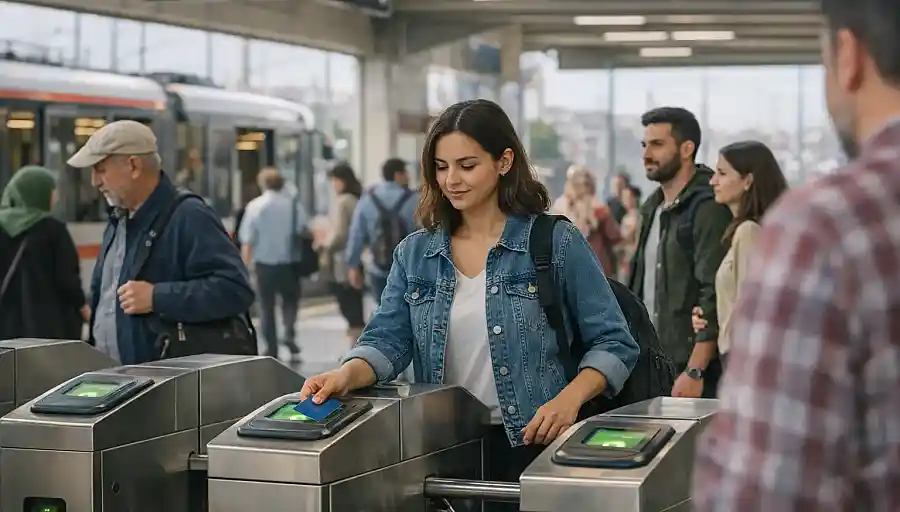
In larger cities, public transport is generally a practical mix of metro, tram, bus and ferries (where relevant). You normally use a reloadable travel card or contactless payment, depending on the city’s system.
To make it easier, plan routes on a map app, keep a small balance topped up, and avoid travelling at peak rush hour with large luggage if you can. If you’re unsure about the right line or stop, ask staff at stations rather than following advice from random strangers.
15) Are domestic flights and intercity buses reliable?
Domestic flights and long-distance buses are widely used by locals and visitors and can be a convenient way to cover large distances. Reliability depends on the operator, the route and weather conditions, and delays can happen.
If you have a tight schedule (for example, a flight connection or a tour starting early the next day), build in buffer time. For popular routes and holiday periods, booking ahead is wise—particularly if you’re travelling as a group or need specific times.
16) Can I drive in Türkiye as a tourist?
Driving can make sense for certain routes, but it isn’t always the easiest option in big cities with heavy traffic and limited parking. Requirements for foreign driving licences and any additional documents depend on your nationality and how long you’ll stay, so check what applies to you before renting a car.
If you do drive, expect confident local driving styles, watch for changing road conditions, and don’t rely on your phone battery alone for navigation—carry a charger and keep key addresses saved offline.
17) What should I expect from hotels, resorts and accommodation in Türkiye?
Türkiye has a huge range: city hotels, boutique properties, seaside resorts, apartment stays and rural guesthouses. What you get varies enormously by location and property style, so focus on reviews that match your priorities (quiet rooms, air-conditioning, lift access, pool quality, parking, beach access).
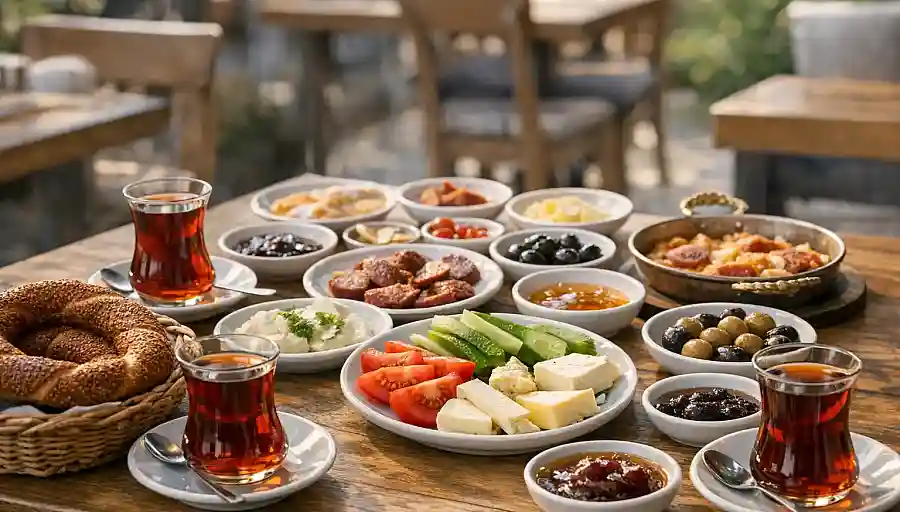
Turkish breakfast is a highlight for many travellers—often a generous spread rather than a single cooked plate—though what’s included and how it’s served will differ by accommodation type.
18) Is it normal to bargain when shopping?
It depends where you shop. In bazaars, small souvenir shops and some independent stores, bargaining can be part of the culture. In supermarkets, pharmacies, chain stores and many modern boutiques, prices are typically fixed.
If you do negotiate, keep it friendly and realistic. A good approach is to ask the price, show genuine interest, and make a polite counteroffer. If the price doesn’t work for you, it’s fine to thank them and walk away without drama.
19) How does tipping work in Türkiye?
Tipping is common, but it’s not always formalised. In restaurants and cafés, many people leave a small tip if service is good; some places may include a service charge, so it’s worth checking the bill.
For hotels, drivers and guides, tips are usually appreciated, particularly if someone has handled luggage or provided attentive help. Rather than following a rigid rule, base it on service quality and what feels comfortable for your budget.
20) What should I wear in Türkiye, and what about visiting mosques?
In most tourist areas you can dress much as you would in other Mediterranean destinations, especially in summer resort towns. In more conservative neighbourhoods and smaller towns, modest clothing tends to draw less attention and feels more respectful.
For mosques, dress modestly and follow the guidance at the entrance. Women are often expected to cover hair and shoulders, and everyone should cover legs. Shoes are removed before entering prayer areas, so wear socks if you prefer. Keep your voice low and avoid walking in front of people who are praying.
21) Can I drink tap water in Türkiye?
This is one of the most common questions, and the practical answer is: it varies by location and by the building’s water system. In many places the tap water is treated, but travellers may still prefer bottled or filtered water due to taste, mineral content, or a sensitive stomach.
If you’re unsure, ask your hotel what they recommend for drinking and for brushing teeth. Staying hydrated matters in Türkiye’s warmer months, so plan ahead for day trips and excursions.
22) Is Turkish food safe for travellers, and how can I avoid stomach problems?
Turkish cuisine is a major part of the travel experience, and most visitors eat extremely well with no issues. Stomach upsets can still happen, often due to sudden changes in diet, heat, or rich foods rather than “unsafe” cooking.
A few sensible habits help: choose busy places with good turnover, start gently if you have a sensitive stomach, wash or sanitise hands before eating, and be cautious with foods left in the sun. If you have allergies, learn the key words and confirm ingredients clearly—nuts, dairy and gluten are common in some dishes and desserts.
23) What should I know about alcohol and nightlife in Türkiye?
Alcohol is available in many restaurants, bars and hotels, particularly in cities and coastal resorts. In more conservative areas, options may be limited and attitudes can be more reserved.
For nightlife, the main safety advice is the same as elsewhere: keep an eye on your drink, stick with people you trust, use reputable venues, and have a plan for getting back to your accommodation. If a place doesn’t show clear prices, ask before ordering.
24) How do Ramadan and religious holidays affect travel plans?
During Ramadan, daily life continues, but the rhythm can change. In conservative areas, some cafés and restaurants may be quieter during daylight hours, and evenings can be livelier as people meet after fasting. In tourist districts and large hotels, services for visitors usually continue much as normal.
During major public and religious holidays, travel demand can increase and some businesses may close or operate limited hours. If your trip dates fall around a holiday period, it’s sensible to book key transport and accommodation a bit earlier and allow extra time for getting around.
25) What if I need a doctor, a pharmacy, or my usual medication while in Türkiye?
Pharmacies are widespread, and staff can often help with basic requests, though English levels vary. For anything more than a minor issue, it’s better to seek proper medical advice through a clinic or hospital rather than self-treating.
If you travel with prescription medication, keep it in its original packaging and carry a copy of your prescription or a doctor’s letter. Rules around certain medicines can differ by country and can change, so check the latest guidance before you fly—especially if you’re carrying strong painkillers, sedatives, injections, or larger quantities.
26) Are there customs rules about taking souvenirs, antiques, or food products home?
Yes—this is an area where travellers often get caught out by confusing different sets of rules. You need to think about four separate things: Turkish export rules, security screening at the airport, your airline’s baggage rules, and the import rules of the country you’re travelling to.
As general, practical guidance: keep receipts for higher-value purchases, be cautious with anything that might be considered an antique or cultural item, and pack food products sensibly (sealed items are easier to explain than loose goods). Before departure, verify the current rules that apply to your specific itinerary with the relevant official authorities.
Conclusion: Türkiye is an easy country to enjoy when you arrive with a few practical answers in your pocket—especially around entry checks, money, mobile data, local etiquette and getting from A to B. Plan with a little flexibility, verify time-sensitive rules before you travel, and you’ll be well set to explore confidently. If you’d like help arranging licensed tours and excursions, or a smooth private airport transfer with secure card-payment options, TurPolia can assist with services that fit your itinerary.
Frequently Asked Questions
Do I need a plug adaptor for Türkiye?
Türkiye uses European-style plugs in many places, but travellers should check their own devices and pack the right adaptor for their plug type. If you have several devices, a multi-port USB charger can reduce the number of adaptors you need.
Are public toilets easy to find, and should I carry anything with me?
In cities and tourist areas you’ll usually find toilets in shopping centres, transport hubs, large attractions and many cafés. It’s sensible to carry tissues and hand sanitiser, as facilities and supplies can vary.
Can tourists fly drones in Türkiye?
Drone rules can be strict and can change, especially around airports, government buildings, crowded places and protected sites. If you plan to bring or fly a drone, check the latest official requirements and restrictions before travelling and before each flight.
Is vegetarian or vegan food easy to find in Türkiye?
Yes in many areas, especially in larger cities and tourist centres. Turkish cuisine includes plenty of naturally vegetarian options such as vegetable meze, salads, soups and bean dishes, but it’s still worth confirming ingredients as yoghurt, butter and meat stock can appear unexpectedly.
Do Turkish hammams have separate areas for men and women?
It depends on the hammam. Some have separate sections or separate times, while others are single-sex. If you want a particular setup or prefer a more private experience, check arrangements in advance when choosing where to go.
TurPolia Blog
Travel stories and local tips for discovering Turkey.


