


Alanya Weekly Markets Guide (2026): Local Bazaars from Okurcalar to Mahmutlar

If you’re staying anywhere along the Alanya coast, a weekly public market (pazar) is one of the easiest ways to buy fresh fruit and vegetables, spices, olives, local cheeses, clothing and holiday basics in one stop. The tricky part is that market days, operating hours and even exact sites can change (sometimes seasonally, sometimes due to municipal works). This 2026 guide focuses on helping you reliably find the right market between Alara and Mahmutlar (plus nearby districts), what to expect once you arrive, and which areas are typically stronger for food, textiles or souvenirs.
How Alanya’s weekly markets work (and why details can change)
In the Alanya region, most neighbourhoods are served by a weekly market held on one set day. Some are in purpose-built covered halls; others are set up on streets that are closed to traffic for the day. In busy resort areas, you may find more than one market within a short drive, each on a different day.
Because these are municipal markets, practical details can shift. A market may be moved to a different street, temporarily relocated, or adjusted around public events and construction. For travellers, this means it’s better to treat social media posts and older blog timetables with caution.
How to confirm the market day, hours and exact place (important for 2026)
To keep this guide accurate without guessing, the safest approach is to confirm the live details shortly before you go. Here are the most reliable ways tourists can do that in the Alanya area:
- Ask your accommodation or host for “the nearest pazar day” (staff usually know the current schedule and where the stalls are set up).
- Use Google Maps with Turkish search terms. Try: “[district name] pazar”, “[district name] pazaryeri” (marketplace), or “semt pazarı” (neighbourhood market). Then check recent photos and reviews to confirm it’s still active.
- Look for municipal signboards near covered market halls (when they exist). These often show the market’s name and the day it operates.
- Confirm typical operating window on the day: most weekly markets run from morning into the afternoon, with the last hour or two focused on quick sales and packing up. Exact opening and closing times vary by location and season.
Common traveller mistake: confusing a weekly public market with a souvenir “bazaar” area. In Türkiye, the weekly pazar is primarily a local shopping day (produce and household items), while tourist bazaar streets are usually permanent rows of shops.
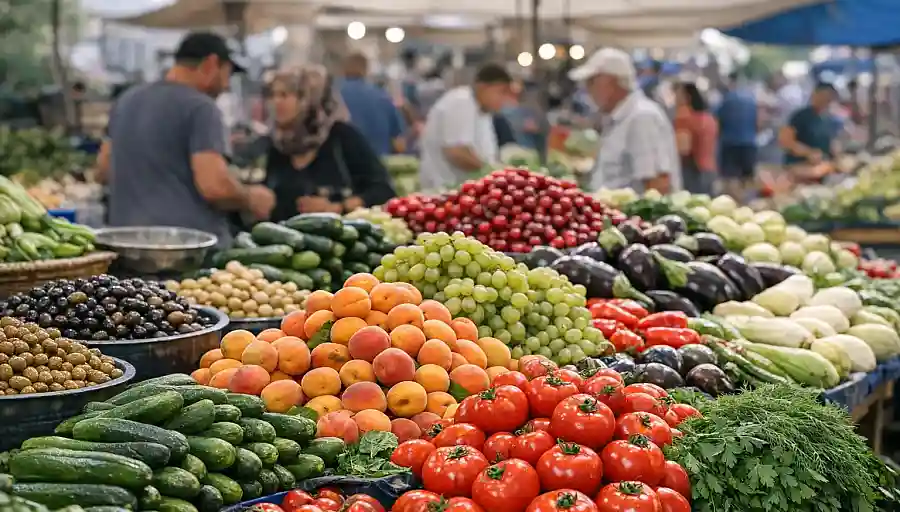
Market directory: Alara to Mahmutlar (plus nearby districts)
Below you’ll find every district you mentioned, with clear guidance on what to search for on maps, what you can usually buy, and practical notes for getting there. Where a district doesn’t reliably have its own dedicated weekly market site, the nearest alternatives are noted.
Alara (near Alara/Alarahan area)
How to locate it: Search Google Maps for “Alara pazar” or “Alara pazaryeri”. If nothing current appears, check nearby Okurcalar as the nearest practical alternative.
What you can buy: When a local market is operating in this area, expect essentials: seasonal fruit and vegetables, olives, cheeses, nuts, simple clothing and household items.
Transport notes: The D400 coastal road and local dolmuş services are typically the easiest way to move between Alara, Okurcalar and Avsallar; stops may be on the main road with a short walk to the market area.
Okurcalar
How to locate it: Search “Okurcalar pazar” / “Okurcalar pazaryeri” and check the most recent reviews and photos for the correct day and set-up location.
What you can buy: Fresh produce, spices, dried goods, T-shirts, beachwear, socks, simple towels and holiday basics. Some stalls also sell small souvenirs.
Parking: If the market is street-based, parking close by can be limited. Arriving earlier in the day usually makes parking easier.
İncekum
How to locate it: Search “İncekum pazar” or try “Avsallar pazaryeri” if you don’t see an active İncekum listing (İncekum is small and may be served by a nearby market).
What you can buy: If a local market day is held nearby, it’s usually strongest for fruit, vegetables and snack-style items (nuts, dried fruit), plus basic clothing.
Avsallar
How to locate it: Search “Avsallar pazar” / “Avsallar pazaryeri”. This area often has clear map listings because it serves both locals and tourists.
What you can buy: Good variety of produce, olives and olive oil products, spices, honey, pulses, plus a sizeable selection of clothing and beach items.
Best for: A balanced mix of food shopping and holiday textiles.
Türkler
How to locate it: Search “Türkler pazar” or “Türkler pazaryeri”. If listings look inactive, check Payallar or Avsallar for the nearest alternatives.
What you can buy: Typically the everyday mix: produce, spices, underwear and socks, casual summer clothing, and a few souvenir-style items depending on the season.
Payallar
How to locate it: Search “Payallar pazar” / “Payallar pazaryeri”, then confirm the day from recent reviews.
What you can buy: Fresh fruit and vegetables, herbs, cheeses, bread and pastries from local vendors (availability varies), plus clothes and household goods.
Konaklı
How to locate it: Search “Konaklı pazar” / “Konaklı pazaryeri”. Konaklı is a common base for tourists, so asking your hotel can be especially quick here.
What you can buy: A strong general market: produce, spices, dried peppers, olives, lokum-style sweets, plus clothing, towels and simple bags.
Best for: Textiles (T-shirts, casual wear, towels) alongside your food shop.
Alanya Centre (central Alanya)
How to locate it: Alanya has multiple markets in and around the centre. Search “Alanya pazar”, “Alanya semt pazarı”, or use neighbourhood searches such as “Cikcilli pazar” and “Oba pazar” (below). Filter by distance and check which one is operating on your free day.
What you can buy: The widest choice in the area: high turnover produce, spice stalls, tea and dried goods, plus many clothing and shoe stalls. You’ll also find luggage, phone accessories, beach items and household basics.
Transport notes: The centre is well connected by local buses and dolmuş lines. If you’re driving, allow extra time—market areas can create congestion on nearby streets.
Cikcilli
How to locate it: Search “Cikcilli pazar” / “Cikcilli pazaryeri”. This is often one of the better-known market areas for visitors staying in central Alanya.
What you can buy: A broad mix with a noticeable emphasis on clothing and household items, alongside fruit, vegetables, spices and olives.
Best for: Textiles and practical items (T-shirts, sportswear, towels, bedding, kitchen goods), with food shopping as a strong second.
Oba
How to locate it: Search “Oba pazar” / “Oba pazaryeri”. Confirm it’s the weekly market (not a shop) by checking photos of stalls and canopies.
What you can buy: Usually a good local-feel food shop: seasonal produce, herbs, cheeses, olives, nuts and spices, plus a smaller set of clothing stalls compared with the largest markets.
Best for: Fresh food if you want to cook at your accommodation.
Tosmur
How to locate it: Search “Tosmur pazar” / “Tosmur pazaryeri”. If you can’t find a current listing, Oba or central Alanya may be the closest alternatives depending on where you’re staying.
What you can buy: The usual weekly mix: produce and pantry staples first, with clothing and beach basics depending on season and stallholders.
Kestel
How to locate it: Search “Kestel pazar” / “Kestel pazaryeri”. In some areas, the market set-up can be a specific street rather than a permanent hall, so map pins may shift.
What you can buy: Seasonal fruit and vegetables, olives, spices, dried goods, plus everyday clothing and household items.
Transport notes: Kestel sits on the main coastal corridor; a short dolmuş ride can also take you to larger markets in Oba/Alanya centre or Mahmutlar, depending on the day.
Mahmutlar
How to locate it: Search “Mahmutlar pazar” / “Mahmutlar pazaryeri”. Mahmutlar is a large residential and holiday area, so you’ll often see clear map results—still, confirm the correct day from the newest reviews.
What you can buy: A big selection across the board: produce, herbs, spices, olives, cheeses, Turkish sweets, plus extensive textiles, shoes, bags and holiday items.
Best for: A one-stop shop combining food and textiles, and often a decent place for small souvenirs.
Kargıcak
How to locate it: Search “Kargıcak pazar” / “Kargıcak pazaryeri”. Kargıcak is more spread out, and visitors sometimes find that the nearest full-scale weekly market is actually in Mahmutlar.
If you don’t find a dedicated Kargıcak market: Check Mahmutlar first, then Kestel or Alanya centre depending on your location and transport.
What you can buy: Where a local market day operates nearby, it’s typically strongest for produce and everyday basics.
Demirtaş
How to locate it: Search “Demirtaş pazar” / “Demirtaş pazaryeri”. Because Demirtaş is further east, it’s especially worth confirming the day locally (for example, with your accommodation) before you set out.
What you can buy: A local weekly market (if operating) is usually produce-led: fruit and vegetables, herbs, olives, simple cheeses, plus clothing basics.
Nearest alternatives: If the Demirtaş market isn’t running on the day you’re free, Mahmutlar is often the most practical larger option along the coast.
What you can buy at Alanya-area markets
While every market has its own character, most stalls fall into a few familiar categories:
- Fruit and vegetables: seasonal produce, often sold by weight, with separate stalls for herbs and greens.
- Olives, cheeses and pantry items: olives, olive oil products, pickles, pulses, dried fruit, nuts and sometimes local honey.
- Spices and teas: spice mixes, dried peppers, herbal teas and Turkish coffee-related items.
- Textiles and casual clothing: T-shirts, summer dresses, shorts, underwear, socks, towels and bedding.
- Holiday basics: flip-flops, hats, beach bags, sunscreen-style accessories (product availability varies), phone cables and small household goods.
- Souvenir-style items: magnets, small gifts and occasionally handmade pieces—generally more common in markets serving resort-heavy neighbourhoods.
Which areas tend to be best for food, textiles and souvenirs
Rather than relying on a fixed ranking (which can change year to year), use these practical rules of thumb when choosing where to shop:
- Best for food: markets serving larger residential areas (often in Alanya centre, Oba and Mahmutlar) tend to have higher turnover and more choice in produce and pantry goods.
- Best for textiles: bigger, busier markets (commonly Alanya centre, Cikcilli, Konaklı, Mahmutlar) usually have more clothing stalls and a wider range of sizes.
- Best for simple souvenirs: markets in resort areas (for example Konaklı, Avsallar, Mahmutlar) may have more tourist-friendly gift items mixed in with everyday stalls.
If you’re specifically shopping for edible gifts (spices, tea, Turkish delight-style sweets), focus on stalls with clearly labelled products and good turnover, and consider how you’ll pack them for travel.
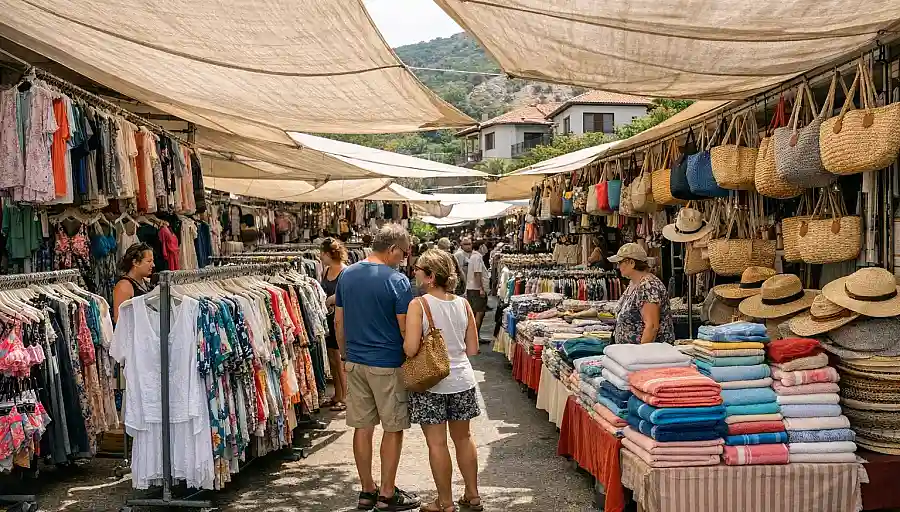
Tourist tips that make market shopping easier
- Bring small notes and coins: some vendors may prefer cash for quick purchases, especially for low-cost items.
- Go early for choice, later for quick bargains: mornings tend to have the best selection; later in the day can be better for last-minute deals as stallholders pack up.
- Ask before you touch: it’s usually fine to point and ask for a kilo/half-kilo, but avoid handling produce unless invited.
- Check weights and quantities: if you’re buying nuts, spices or olives, confirm the portion size before it’s packed.
- Keep an eye on quality with textiles: check seams, stretch and sizing; if you’re buying towels or bedding, feel the thickness and ask what the fabric is.
- Stay comfortable: markets can be warm and busy. Wear light clothes, and carry water, especially in summer.
- Plan your return: if you’re using a dolmuş or taxi, keep purchases manageable. Soft fruit can bruise quickly in the heat.
Getting there: parking and public transport in practical terms
Most market areas along the Alanya coast are reachable by local buses and dolmuş services running along the D400 corridor, with a short walk at each end. If you’re unsure which stop to use, show the driver or a local the word pazar plus your district name.
If you’re driving, expect slower traffic close to the market site on market day. Covered halls may have nearby parking, but it can fill up quickly. Street-based markets can temporarily reduce parking options in the immediate area, so it helps to arrive earlier and be prepared to walk.
For travellers who’d rather avoid the logistics (especially from smaller resorts), a pre-arranged local transfer can make sense for a short shopping trip. TurPolia can help arrange private transport in the Alanya area as part of your holiday planning, particularly if you want a direct return at a set time.
A final note for 2026
Alanya’s weekly markets are straightforward once you know which day and where. Because schedules and locations can change, treat any fixed timetable you see online as a starting point rather than a guarantee. Use the district-by-district guidance above to find the right “pazaryeri” on maps, confirm with your accommodation, and you’ll be able to shop confidently—whether you’re after ripe seasonal fruit, a few spices for your suitcase, or practical holiday clothing.
Frequently Asked Questions
How can I find the correct market day for my area in Alanya?
The quickest method is to ask your hotel or host for the nearest “pazar” day. You can also search Google Maps using Turkish terms like “[district] pazar” or “[district] pazaryeri” and check the most recent reviews and photos to confirm it’s still active.
Do Alanya weekly markets have fixed opening and closing hours?
They usually run from morning into the afternoon, but exact hours can vary by district and season, and can change if the site is temporarily moved. It’s best to confirm locally on the day rather than relying on an older timetable.
Can I pay by card at Alanya markets?
Some stalls may accept cards, but many small vendors prefer cash, especially for low-value items like fruit, vegetables and spices. Carrying some smaller notes and coins makes shopping much easier.
Is bargaining normal at the weekly markets?
It depends on what you’re buying. Bargaining is more common for clothing, towels and household items than for fresh produce, which is often priced more firmly. A polite, friendly approach works best either way.
Can I take spices, tea or food items home in my luggage?
Often you can, but what you’re allowed to bring back depends on your destination country’s import rules and your airline’s baggage policies. If you’re buying edible souvenirs, keep packaging tidy and check the latest requirements for your route before you fly.
Tales Beyond Borders


