


Gazipaşa Travel Guide: Places to Visit, Beaches & Hidden Bays
 AI-generated illustrative image.
Gazipaşa, on Antalya’s quieter Mediterranean coast, is a good choice if you want swimming coves, coastal walks and ancient ruins without the bustle of bigger resorts. It’s a small district with a local pace of life, a rugged shoreline and several notable archaeological areas close to the sea. In this Gazipaşa travel guide, you’ll find the most worthwhile Gazipaşa attractions, things to do in Gazipaşa, and practical tips for planning a relaxed, coastline-focused stay in Türkiye.
Why visit Gazipaşa instead of a busier resort?
Gazipaşa suits travellers who value space, simple beach days and authentic town life over nightlife and large-scale tourism. The coastline here is more fragmented than in some parts of the Antalya region, which is exactly the appeal: small beaches, hidden bays and dramatic rocky sections sit between patches of farmland and low-rise neighbourhoods. It also has an appealing mix of nature and history, with ruins set right above the water in places.
A quick sense of place: history and local character
This coast has seen many periods of settlement, trade and travel across the Mediterranean. Today, you’ll notice a working town rather than a purpose-built holiday centre: weekly shopping, local cafés and a coastline that still feels primarily “lived in”. For visitors, that means the most enjoyable days are often simple ones—combining a beach stop, a short walk, and a visit to an ancient site in the cooler hours.
Top things to do in Gazipaşa
- Explore Selinus Ancient City for a dramatic coastal setting and ruins above the sea.
- Visit Antiochia ad Cragum to see another important archaeological area in the district.
- Seek out Delik Deniz, one of Gazipaşa’s most talked-about natural features.
- Swim at beaches and small coves where the water is clear and the atmosphere is calm.
- Take a boat trip along the coast to reach bays that are awkward to access by road.
- Spend time in town for unhurried meals, everyday shopping and a more local feel.
Selinus Ancient City: ruins with a sea view
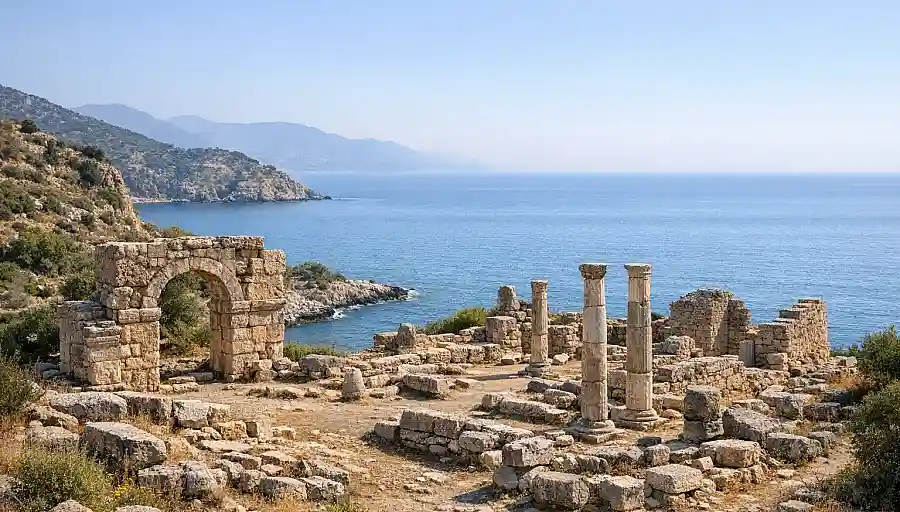
Selinus is one of the most distinctive places to visit in Gazipaşa because of its position above the coastline. Even without specialist knowledge, the experience is memorable: you’re looking at ancient remains in a landscape where the sea is always present. If you go, aim for a gentle pace—wear shoes with grip and take water, as archaeological areas are rarely designed like city parks and can have uneven ground.
A good approach is to combine Selinus with a beach stop nearby, especially if you visit in warmer months. The contrast between a quiet swim and a walk among ruins is exactly what makes Gazipaşa feel different from many classic resort itineraries.
 AI-generated illustrative image.
Antiochia ad Cragum: another key Gazipaşa archaeological site
Antiochia ad Cragum is another significant ancient site in the Gazipaşa area. It’s a rewarding option if you’re building a low-key history day rather than trying to “see everything” at speed. As with Selinus, the best visits tend to be early or later in the day, particularly in summer, when the sun can be strong and shade may be limited.
If you’re travelling with children or anyone who prefers easy walking surfaces, plan a shorter visit and focus on the most accessible parts. In Gazipaşa, it’s completely normal to keep sightseeing simple and balanced with rest.
Delik Deniz: a natural highlight on the coast
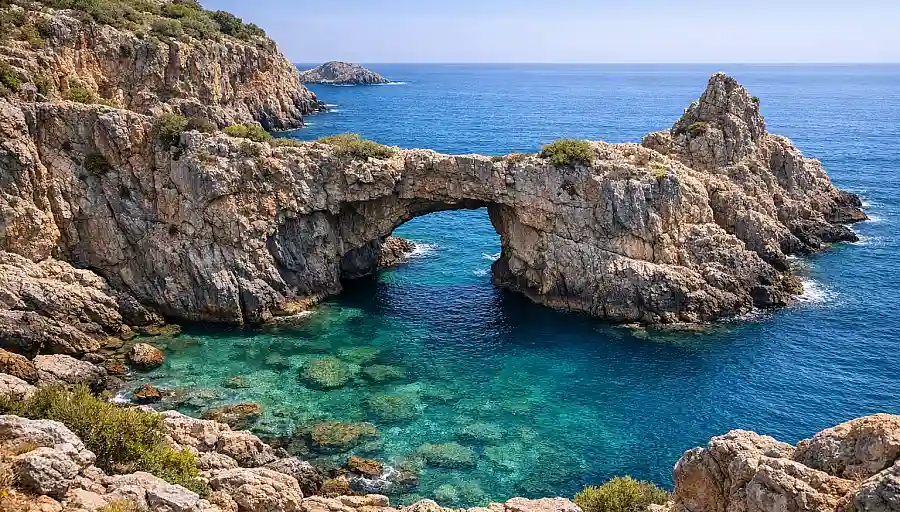
Delik Deniz is often on the list of must-see Gazipaşa attractions for nature lovers. It’s best treated as a scenic stop rather than a full-day excursion: go for the coastal views, take a few photos, then continue on to a cove or beach. Conditions can change depending on sea state and weather, so keep plans flexible and avoid taking risks near exposed rocks.
Beaches in Gazipaşa and how to enjoy them
Gazipaşa beaches are generally about simple pleasures: clear water, a quieter atmosphere and a coastline that encourages you to move around rather than stay in one place all week. Depending on where you base yourself, you can mix a main beach day with shorter dips in smaller coves.
A few practical tips make beach days smoother:
- Bring water shoes if you plan to try small coves, where the shoreline can be pebbly or rocky.
- Pack essentials (water, sun protection, a light snack) for quieter bays where facilities may be limited.
- Leave time for the road—the coast is not one long beach promenade, and reaching smaller spots can take longer than it looks on a map.
Kral Koyu and Gazipaşa’s hidden bays
If your idea of a perfect day is a small bay with clean water and a more private feel, put Kral Koyu on your shortlist and then look beyond it. The Gazipaşa coast has many little inlets that don’t show up as “headline” sights, and some are easiest to appreciate from the water.
One of the most enjoyable ways to experience this coastline is to spend a day on a boat, hopping between bays for swimming and relaxing rather than driving from viewpoint to viewpoint. If you’d like a straightforward option, TurPolia runs a Gazipaşa hidden bays boat tour that focuses on the coves and swim stops that make this area special.
Nature and easy outdoor time around Gazipaşa
Gazipaşa is a good fit for light outdoor plans: short coastal walks, viewpoint stops and unhurried time in greener areas just inland. Rather than aiming for a single “iconic hike”, many visitors enjoy simply building nature into the day—an early walk, a scenic stop, then a long swim and an unhurried meal.
For comfort, plan around the heat in summer months. A slower rhythm—out earlier, rest in the middle of the day, and back out later—often feels more enjoyable than trying to keep a full city-style schedule.
 AI-generated illustrative image.
Practical planning: getting around and what to pack
Getting to Gazipaşa
Gazipaşa is on the Mediterranean coastal route in the Antalya region. Many travellers arrive by road from other coastal towns, and the area is also served by an airport outside town, with flight options that vary by season. Whatever route you choose, it’s worth keeping your first day light—this is a destination that rewards an unhurried start.
Getting around locally
To explore beaches, coves and archaeological sites independently, having flexibility helps. Some places are straightforward by car, while others are better reached by boat or with a short walk. If you’re relying on local transport, keep expectations realistic: you may need to plan your day around fewer stops rather than trying to tick off a long list.
What to bring for a Gazipaşa-style day out
- Comfortable footwear for uneven paths at ancient sites and rocky coastal spots.
- Sun protection (hat, sunglasses, high-SPF sunscreen), especially in summer.
- A light layer for evenings by the sea, which can feel cooler than expected.
- Snacks and water if you’ll be away from the town centre or visiting quieter bays.
Local life: what to do in town between beach stops
A big part of Gazipaşa’s charm is that it still feels like a working town. Between beach and sightseeing time, leave room for simple pleasures: a long breakfast, a relaxed coffee, a stroll past everyday shops, and a slow dinner rather than a tightly booked itinerary. If you like to bring back edible souvenirs, small local food shops can be more interesting than searching for a “tourist market”.
Common planning mistakes to avoid in Gazipaşa
- Trying to cover too much coastline in one day: bays and viewpoints look close on a map, but roads and access points can be slower than expected.
- Assuming every beach has facilities: smaller coves can be beautifully quiet because they’re simple—pack the basics.
- Visiting archaeological sites at midday in peak summer: it can feel far hotter among stone and open ground; go earlier or later if you can.
- Skipping the boat option entirely: Gazipaşa’s “hidden bays” are often the real highlight, and the water route can be the most relaxing way to see them.
A realistic itinerary idea (without rushing)
If you have two to three days, a balanced plan could look like this: one day focused on an ancient site (Selinus or Antiochia ad Cragum) plus a nearby swim; one day for beaches and Kral Koyu-style coves; and one day on the water to explore the coastline at an easy pace. If you’re staying longer, simply repeat what you enjoy most—Gazipaşa is at its best when you stop trying to treat it like a checklist destination.
Conclusion: what Gazipaşa does well
Gazipaşa isn’t about big-ticket attractions packed into a small area. It’s about a calm Mediterranean rhythm: ancient stones above the sea, quiet swims, and a coastline that still has corners to explore. If that sounds like your kind of holiday in Türkiye, you’ll find plenty of satisfying things to do in Gazipaşa—especially if you give yourself time to move slowly and enjoy the bays, beaches and local life.
Frequently Asked Questions
How many days do you need in Gazipaşa?
Two to three days is enough to combine an ancient site, a couple of beach days and time in town. If you enjoy quiet coves and slow travel, a longer stay can feel even more rewarding.
What are the main historical places to visit in Gazipaşa?
Selinus Ancient City and Antiochia ad Cragum are the best-known archaeological sites in the Gazipaşa area. They’re particularly appealing if you like history in a coastal setting.
Is Gazipaşa good for beaches and swimming?
Yes, Gazipaşa is well suited to relaxed beach time, with a mix of more accessible beaches and smaller coves. Facilities vary from place to place, so it helps to bring water and basics when exploring quieter bays.
Is a boat trip worth doing in Gazipaşa?
If you want to see hidden bays and enjoy multiple swim stops without driving between access points, a boat trip is often one of the most enjoyable ways to experience the coastline.
When is the best time to visit Gazipaşa?
Many travellers prefer late spring, summer or early autumn for swimming and boat days. In peak summer, it’s usually more comfortable to visit ancient sites earlier or later in the day to avoid the strongest heat.
TurPolia Blog
Travel stories and local tips for discovering Turkey.


