


Göbekli Tepe: Türkiye’s 12,000-Year-Old Temple Near Şanlıurfa
 AI-generated illustrative image.
Göbekli Tepe, near Şanlıurfa in south-east Türkiye, is often described as the world’s oldest temple because it dates back around 12,000 years. For travellers, that headline is more than a fun fact: it changes how you experience the site. You are looking at monumental stone architecture created long before the rise of cities and written history. Visiting today is straightforward, but it rewards a little context—especially if you want to understand the mysterious T-shaped pillars, why the site is UNESCO-listed, and how it reshaped ideas about early civilisation.
What is Göbekli Tepe, and where is it?
Göbekli Tepe is an archaeological site close to the city of Şanlıurfa (also known as Urfa) in Türkiye’s south-east. It is best understood as a prehistoric ritual complex: circular and oval stone enclosures arranged around tall, carefully carved limestone pillars. Although only parts of the wider area have been excavated, what is visible already shows extraordinary planning and craftsmanship for such an early period.
Because Şanlıurfa sits at the crossroads of ancient cultures in Upper Mesopotamia, many visitors combine Göbekli Tepe with a broader trip through the region—especially if they are interested in archaeology, early history, and living local traditions.
Why people call it the “world’s oldest temple”
You will often see Göbekli Tepe described as the world’s oldest temple. In travel terms, this is a helpful shorthand, but it is worth understanding what it implies. The site appears to have been built for gatherings and rituals rather than everyday domestic life, and it predates many other famous ancient places by millennia.
At the same time, archaeology is a working field. Interpretations develop as new areas are uncovered and studied. When you visit, think of Göbekli Tepe less as a single “building” and more as a complex sacred landscape that still raises serious questions about how and why early communities organised themselves.
A 12,000-year story: what we know about its deep past and modern discovery
Göbekli Tepe’s visible structures date back roughly 12,000 years, to the very beginning of settled life in this part of the world. That alone makes it remarkable: the scale of the stonework suggests large groups were cooperating, planning, and returning to the same place over time.
Another striking element is that parts of the site were deliberately buried in antiquity. That ancient act is one reason the carvings and forms survived so well. In modern times, excavations brought Göbekli Tepe to international attention and transformed it into one of Türkiye’s most important archaeological destinations.
What you see today represents a carefully managed window into a much larger area. Expect ongoing research and conservation work as understanding of the site continues to develop.
 AI-generated illustrative image.
The mysterious T-shaped pillars: what to look for during your visit
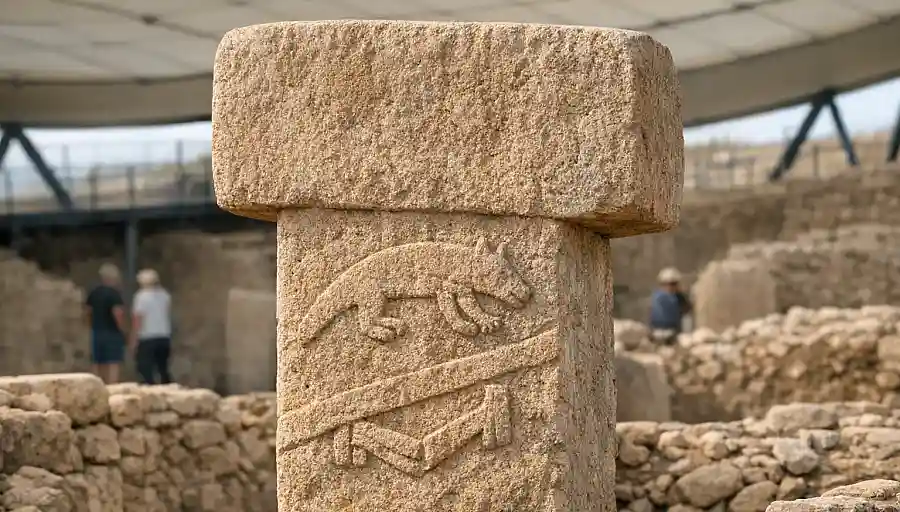
The signature feature of Göbekli Tepe is its T-shaped pillars, set in pairs and rings within stone enclosures. Many are carved in low relief, with animals, abstract symbols, and fine details that feel surprisingly modern when viewed up close.
As you walk the viewing routes, focus on a few details that help the site make sense visually:
- Scale and placement of the pillars within the circular layouts, which hints at choreography—where people may have stood and how attention was directed.
- Carved reliefs, often featuring wildlife (including birds and other wild animals) and symbolic forms that are still debated.
- Stone surfaces, where tool marks and wear can be visible under the right light, making the craftsmanship feel immediate.
- Protective structures above the excavation areas, which exist to conserve the archaeology and manage visitor access.
If you want more than a quick photo stop, a knowledgeable guide can help you read the layout and symbolism without turning uncertainty into false certainty—important at a site where so much is still being interpreted.
Why Göbekli Tepe changed our understanding of early civilisation
Before Göbekli Tepe became widely known, many people assumed that large, organised religious architecture came after farming and permanent towns. Göbekli Tepe challenged that neat sequence. It suggests that shared beliefs, ceremonies, and social gathering may have been powerful forces in bringing communities together—possibly even encouraging more settled ways of life.
For travellers, this is the real impact of the site: it is not simply “old”. It is evidence that human societies were complex, organised, and symbol-driven far earlier than most of us learnt at school.
UNESCO World Heritage status: what it means for visitors
Göbekli Tepe is recognised as a UNESCO World Heritage Site, reflecting its global archaeological significance. In practice, this status tends to mean a stronger focus on preservation, controlled visitor routes, and a visitor experience designed to reduce damage to fragile areas.
It also means you should set expectations: you are visiting an active archaeological landscape. Not every area will be accessible, and what is on display may evolve as conservation priorities change.
 AI-generated illustrative image.
Practical tips for visiting Göbekli Tepe from Şanlıurfa
Getting there
Most visitors base themselves in Şanlıurfa and travel out to Göbekli Tepe as a half-day trip. Common options include a private driver, taxi, or a guided tour. If you are self-driving, make sure you are comfortable with local road conditions and plan for a straightforward return to the city.
If your time in the region is limited, arranging transport in advance can reduce stress and help you avoid last-minute bargaining or availability issues—particularly during busy travel periods.
How long to allow
On site, many travellers spend long enough to walk the viewing areas, read the main interpretation panels, and take photos. If you are particularly interested in archaeology, you may prefer to allow more time and pair the visit with museums in Şanlıurfa to put what you have seen into context.
What the visit feels like on the ground
Expect a managed visitor route designed to protect the excavations. You will be looking down into the key areas rather than wandering through them. That can feel different from open-air ruins elsewhere in Türkiye, but it is part of what helps preserve the carvings and stonework.
Lighting can change what you notice. If you care about photography, softer light often helps the carved reliefs show their depth. Rules on photography can vary, so follow signage and staff guidance on the day.
What to wear and bring
Göbekli Tepe is an outdoor visit in a region that can feel hot and bright, especially in summer. Sensible preparation makes the experience far more comfortable:
- Comfortable shoes for walking on paths and viewing platforms
- Sun protection (hat and sunscreen) and water
- A light layer if you are visiting outside peak summer, as temperatures can feel changeable
- Respectful clothing if you are combining the day with visits around Şanlıurfa, where a modest approach is generally appreciated
Things to see in Şanlıurfa around your Göbekli Tepe day
If you are searching for “things to see in Şanlıurfa”, Göbekli Tepe is usually the headline, but the city itself is worth time. Depending on your interests, consider building a day or two around:
- Şanlıurfa’s museums, which can add context to what you saw at Göbekli Tepe and help you recognise motifs and themes
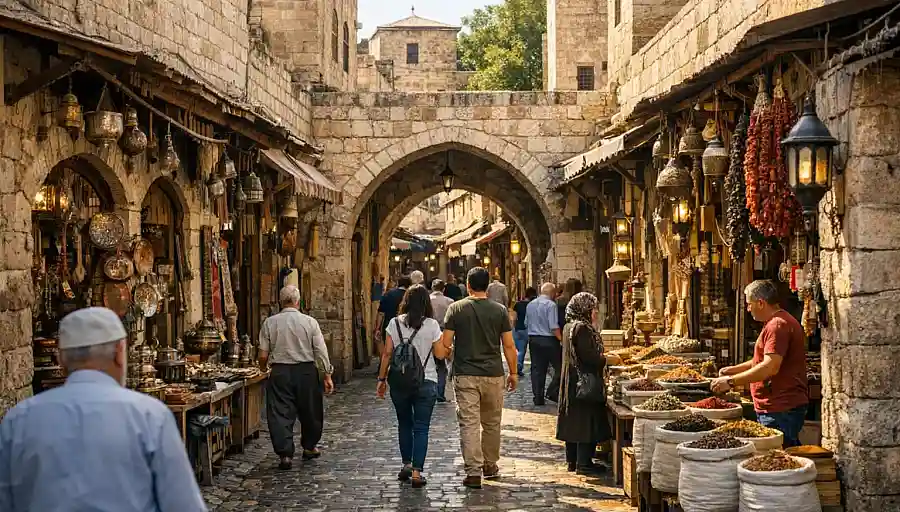
- Historic areas and bazaars for a feel of local life, traditional crafts, and regional flavours
- Local food, with the south-east’s rich grilling culture and distinctive spice profile
It is an atmospheric city, particularly in the evenings, and pairing it with Göbekli Tepe turns a single archaeological stop into a fuller south-eastern Türkiye experience.
A final thought before you go
Göbekli Tepe is one of those rare places where the visit is both visual and intellectual. Even if you arrive knowing only the phrase “world’s oldest temple”, you leave with better questions: who gathered here, what did the carvings mean to them, and why did they choose to build at such scale so early?
If you would like help planning an easy day trip from Şanlıurfa—especially with a licensed guide who can explain the archaeology clearly without overclaiming—TurPolia can support you with practical arrangements that fit your route through Türkiye.
Frequently Asked Questions
Is Göbekli Tepe really the world’s oldest temple?
It is often described that way because it dates back around 12,000 years and appears to have been built for ritual gatherings rather than daily living. Archaeological interpretation can evolve, but its age and purpose make it exceptional.
How do I get to Göbekli Tepe from Şanlıurfa?
Most visitors travel from Şanlıurfa by taxi, private driver, or an organised guided tour. The simplest option depends on your schedule, language comfort, and whether you want historical explanation included.
How long should I plan for a visit to Göbekli Tepe?
Many travellers treat it as a half-day outing from Şanlıurfa. If you enjoy archaeology, you may want extra time to read the on-site information and add a museum visit in the city for context.
What should I wear when visiting Göbekli Tepe?
Wear comfortable walking shoes and bring sun protection and water, especially in warmer months. A light layer can be useful outside summer, and a modest, respectful style works well if you will also visit central Şanlıurfa.
Can I take photos at Göbekli Tepe?
Photography is usually possible in many areas, but rules can vary by zone and can change for conservation reasons. Follow the on-site signs and staff guidance on the day, and be considerate of other visitors.
TurPolia Blog
Travel stories and local tips for discovering Türkiye.


