


Hidden Places to Visit in Istanbul: 9 Neighbourhoods and Viewpoints
 AI-generated illustrative image.
If you’re looking for hidden places to visit in Istanbul, the good news is you don’t need to leave the city to find a quieter, more local side. Beyond the headline sights, Istanbul is made up of small neighbourhoods, hilltop viewpoints and waterfront corners where daily life takes centre stage. This guide covers nine beautiful areas that are popular with locals and photographers but are often skipped by first-time itineraries. You’ll find colourful streets, café-lined squares, Bosphorus views and relaxed promenades, plus practical tips to help you visit without rushing.
How to use this list (and avoid a common mistake)
These places aren’t “hidden” in the sense of secret or hard to reach—most are well-known to Istanbulites—but they can feel a world away from the busiest tourist zones. A common mistake is trying to fit too many into one day. Istanbul is large, and crossing between the European and Asian sides takes time, especially at peak hours. Pick a cluster (for example Balat–Fener–Pierre Loti, or Kadıköy–Moda–Çamlıca) and give yourself space to wander.
If you’d like to balance these quieter spots with Istanbul’s historic centre and time on the water, a combined day that includes the old city and a Bosphorus cruise can be a neat anchor for your trip; TurPolia’s Istanbul city tour with Bosphorus cruise is one example of that classic overview.
Balat: colourful backstreets and everyday Istanbul
Balat is one of the most photogenic parts of the historic peninsula’s wider neighbourhood fabric, with sloping lanes, painted facades, bay windows and small local shops. It’s the sort of area where the pleasure comes from walking without a fixed plan—pausing for coffee, browsing vintage-style boutiques, and noticing details like door knockers, tiled entrances and laundry lines between buildings.
What to do: wander the side streets, dip into small cafés, and look out for street art and colourful stairways. Balat works well as a slow morning, especially if you prefer neighbourhood atmosphere to formal sightseeing.
Photography: go early for softer light and fewer people on the narrow lanes. If you’re photographing homes or residents, keep a respectful distance and avoid turning someone’s doorway into a backdrop.
Visitor tip: the streets are steep in places and the pavements can be uneven, so wear comfortable shoes and don’t expect a straight, easy walk from one point to another.
Fener: heritage streets with a calmer rhythm
Next to Balat, Fener has a slightly different feel—still historic and atmospheric, but often a touch quieter once you move away from the most photographed corners. It’s an area of layered history, where you’ll notice older buildings, small religious sites and streets that feel unchanged even as cafés and galleries move in.
What to do: stroll between viewpoints and side streets, stopping where something catches your eye rather than chasing a checklist. It’s also a good area for travellers who enjoy observing neighbourhood life: delivery carts, school runs and shopkeepers opening up in the morning.
Photography: Fener suits detail shots—doorways, textures, signage and street scenes. A discreet lens and a patient approach work better than staging photos in busy spots.
Visitor tip: Balat and Fener are best treated as one walkable outing; allow time for detours and short café breaks rather than trying to “cover” everything.
Ortaköy: a lively Bosphorus stop with classic views
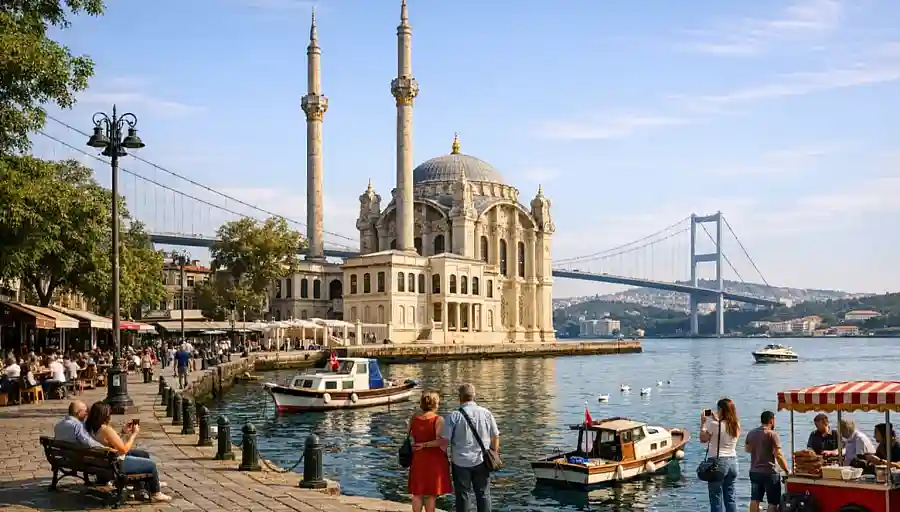
Ortaköy sits right on the Bosphorus and is known for its waterfront energy: a small square, cafés and a constantly changing parade of ferries and boats. It’s one of the easiest places in this list to combine with other plans because you can arrive, enjoy the view, and move on without committing to a long walk.
What to do: spend time by the water, explore the small lanes behind the square, and enjoy the café culture. The atmosphere is social and upbeat, especially later in the day.
Photography: Ortaköy is made for wide shots—waterfront scenes with Istanbul’s Bosphorus skyline. Golden hour can be particularly rewarding, but it can also be busier.
Visitor tip: it’s a popular stop for locals too, so if you want calmer photos, go earlier in the day and save the linger-by-the-water moment for a quieter weekday if you can.
 AI-generated illustrative image.
Kuzguncuk: village-like streets on the Asian side
Kuzguncuk is one of those neighbourhoods that makes visitors rethink Istanbul’s scale. It feels greener and more “village-like” than many central districts, with wooden houses, small grocers and a relaxed pace. It’s ideal if you enjoy wandering through residential streets rather than hopping between major sights.
What to do: take a slow walk, browse independent shops, and sit in a café where the soundtrack is everyday conversation rather than tour groups. It pairs nicely with other Asian-side stops, particularly if you’re building a day around Kadıköy and Moda.
Photography: look for leafy streets, colourful timber houses and small street corners with a calm, lived-in feel. Overcast days can work well here because the colours still pop without harsh shadows.
Visitor tip: treat it as a place to slow down. If you arrive with only 20 minutes, it can feel underwhelming; with time, it’s one of the most charming neighbourhood walks in the city.
Çamlıca Hill: big skies and wide city panoramas
For a sense of Istanbul’s vastness, Çamlıca Hill is hard to beat. It’s a viewpoint rather than a street-by-street neighbourhood experience, and the reward is seeing how the city stretches across hills, waterways and neighbourhoods on both continents.
What to do: come for the view, take a gentle stroll and enjoy the open-air feel. It’s a good reset point in an itinerary if you’ve spent days in dense streets and want a breath of space.
Photography: bring a lens that can handle both wide panoramas and tighter compositions. Visibility matters more than sunshine—on hazy days the view can feel muted, while crisp conditions give you cleaner outlines.
Visitor tip: as with any high viewpoint, weather and air clarity make a real difference. If you wake up to a hazy skyline, consider swapping the hill with a neighbourhood walk and returning another day.
Pierre Loti Hill: Golden Horn views with a nostalgic mood
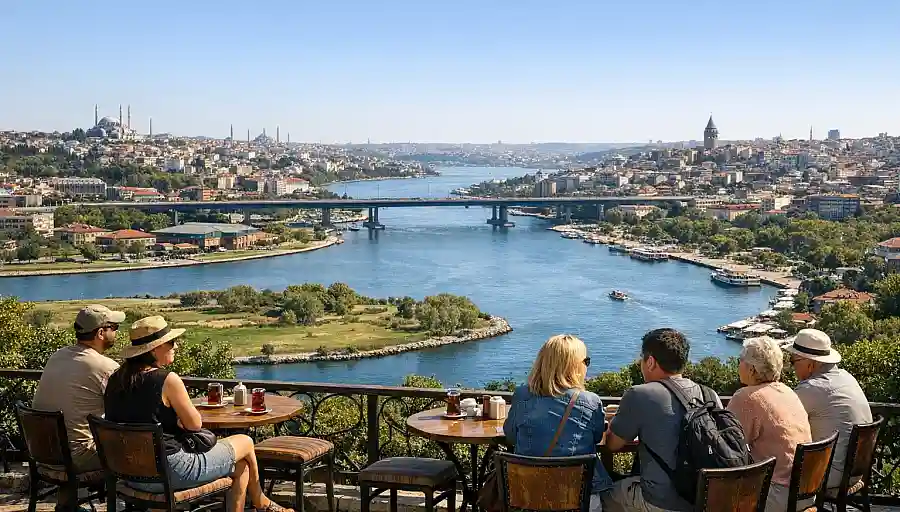
Pierre Loti Hill is a classic viewpoint over the Golden Horn, and it has a slightly nostalgic Istanbul atmosphere: a place to pause, look out over the waterway, and see the city from a different angle to the Bosphorus. It’s particularly appealing if you like combining a scenic viewpoint with café time.
What to do: come for the panorama, take a slow walk around the viewpoint area, and build in a break rather than rushing straight back down.
Photography: late afternoon light can add depth to the Golden Horn, but the scene changes throughout the day. If you’re photographing people, keep your shots unobtrusive as it’s a popular rest stop.
Visitor tip: it’s easy to underestimate how much time a “quick viewpoint” can take once you factor in getting there, waiting for transport, and stopping for photos. Plan it as a half-outing, not a five-minute detour.
Anadolu Kavağı: a quieter Bosphorus village feel
Anadolu Kavağı sits towards the northern reaches of the Bosphorus on the Asian side and feels far removed from central Istanbul’s pace. The appeal is the journey and the change of atmosphere: greener surroundings, calmer streets and a sense of being at the edge of the city’s everyday routines.
What to do: enjoy the waterfront mood, take a relaxed walk, and focus on the feeling of getting out to a quieter corner. It’s a good choice if you’ve already seen the major central sights and want a different rhythm.
Photography: aim for natural harbour scenes—boats, water reflections and simple village details. A slightly longer lens can help you pick out layers in the landscape without needing dramatic foregrounds.
Visitor tip: treat this as a day-trip-style outing rather than a short hop. Transport on the Bosphorus is enjoyable, but it takes planning around routes and conditions, which can vary.
 AI-generated illustrative image.
Kadıköy: markets, street food and creative energy
Kadıköy is a brilliant alternative to the European-side tourist core when you want a lively, modern Istanbul scene. It’s known for its market streets, independent cafés, bookshops, music venues and a youthful, creative buzz—busy, but not in the same way as the old city.
What to do: browse the market area, explore side streets for small shops, and build in a café stop. If you enjoy trying different bites as you go, this is one of the easiest places to do it without committing to a full restaurant meal.
Photography: Kadıköy is great for candid urban scenes: shopfronts, street textures and daily commerce. Be mindful in busy market areas—keep your belongings secure and avoid blocking narrow passages while taking photos.
Visitor tip: it can be tempting to treat Kadıköy as a quick ferry hop and a short walk. It rewards time. Give yourself space to get a little lost, then orient yourself again on a main street.
Moda: sea air, promenades and a local weekend feel
Moda is Kadıköy’s calmer coastal side: a neighbourhood of relaxed streets that lead towards the water, where locals come to walk, sit by the sea and watch the light change. The atmosphere is laid-back and outdoorsy, especially on days when Istanbul’s residents are escaping the shopping streets.
What to do: stroll along the seafront, stop in a bakery or café, and enjoy the slower pace. If you like to end the day with a gentle walk rather than a taxi ride back to your hotel, Moda is a natural choice.
Photography: the shoreline is excellent for simple, clean compositions—sea, sky and people at a distance. Sunset can be lovely, but even midday works if you focus on everyday moments rather than dramatic colour.
Visitor tip: combine Moda with Kadıköy rather than treating them as separate trips. Start with the market bustle, then walk it off by the water.
Practical tips for visiting these hidden corners
- Group your day by geography: Balat, Fener and Pierre Loti are easier as a European-side cluster; Kadıköy and Moda pair naturally; Kuzguncuk and Çamlıca can fit into the same Asian-side day.
- Expect hills and cobbles: Balat–Fener streets and the viewpoint areas involve slopes and uneven ground. Comfortable shoes matter more than dressing up.
- Be flexible with timing: viewpoints depend on visibility, and waterfront areas feel different at different times of day. If light or crowds aren’t working, swap the order rather than forcing it.
- Photograph respectfully: these are lived-in neighbourhoods. If you want portraits or close-ups of shopkeepers, asking politely goes a long way. Avoid photographing children.
A simple way to fit them into an Istanbul trip
For many visitors, the easiest approach is to mix one “classic” day with one or two neighbourhood days. Use the historic centre and a Bosphorus viewpoint or cruise as your big-picture introduction, then choose the hidden corners that match your style: colourful streets (Balat and Fener), waterfront energy (Ortaköy), village-like calm (Kuzguncuk), wide panoramas (Çamlıca and Pierre Loti), a Bosphorus outpost (Anadolu Kavağı), and modern local life (Kadıköy and Moda).
If you keep your plans light and allow time to wander, these places show the Istanbul that locals recognise—busy in parts, peaceful in others, and always shaped by water, hills and neighbourhood character.
Frequently Asked Questions
Are these places genuinely “hidden”, or are they still touristy?
Most aren’t secret, but they’re often skipped by first-time itineraries. Some spots (such as Balat, Fener and Ortaköy) can be busy at popular times, while others (like Kuzguncuk or parts of Moda) tend to feel more local and relaxed.
Which areas are easiest to combine in one day?
It’s simplest to group places that are close to each other. Balat and Fener pair naturally, and Pierre Loti Hill can fit into the same European-side outing. On the Asian side, Kadıköy and Moda work well together, and Kuzguncuk can combine with another nearby stop if you keep the day unhurried.
What’s the best way to cross between the European and Asian sides?
Public ferries are a practical and scenic way to cross, and they often feel like part of the experience. Depending on where you’re staying, you can also use bridges and public transport connections, but it’s wise to allow extra time around commuter peaks.
Is it OK to take photos in Balat, Fener and other residential areas?
Yes, but it’s best to treat these places as neighbourhoods rather than open-air sets. Avoid photographing people closely without permission, don’t block doorways, and be especially careful around schools and children. A respectful, low-key approach usually leads to better photos anyway.
How much time should I allow for Anadolu Kavağı?
It’s better to plan it as a longer outing rather than a quick stop, because getting there and back is part of the day. Exact durations depend on your route, conditions on the water and how long you spend walking and relaxing once you arrive.
TurPolia Blog
Travel stories and local tips for discovering Turkey.


