


Istanbul’s Historic Highlights: Hagia Sophia, Topkapı, Mosques and Bazaars

Istanbul’s classic historic sights: what this guide covers
If you’re visiting Istanbul for the first time, it’s natural to focus on the places you’ve seen in photos for years: domes and minarets over Sultanahmet, palace courtyards above the sea, and the lively covered markets that still shape daily life. This guide keeps things simple and realistic, covering seven of the city’s most searched and most visited stops: Hagia Sophia, Topkapı Palace, the Blue Mosque (Sultan Ahmed Mosque), Süleymaniye Mosque, the Grand Bazaar, and the Spice Market.
Many Polish travellers look for a plan that feels efficient but not rushed: how to group the sights, what needs extra time, what to wear for mosque visits, and how to handle crowds in peak season. Istanbul is a big, busy city, but these landmarks sit in a few walkable clusters. With a little planning, you can enjoy them at a comfortable pace and still have time for tea breaks and slow wandering.
Before you go: practical planning for a smoother visit
Istanbul’s historic centre is popular year-round, and the experience can change depending on the day of the week, the season, cruise arrivals, local holidays and prayer times. A calm approach is to start early, keep your schedule flexible, and accept that queues can happen at headline sites.
Getting around between the sights
Sultanahmet (Hagia Sophia, the Blue Mosque and Topkapı Palace) is easiest on foot once you arrive. For the Grand Bazaar, Süleymaniye and the Spice Market area (Eminönü), public transport and short walks usually work well. Istanbul traffic can be heavy, so on some days the quickest option is a tram or metro connection rather than a car.
If you prefer to minimise navigation stress, a guided day with organised transport can be a comfortable option, especially if you want to combine Sultanahmet with the bazaars without worrying about route changes or meeting points.
Tickets, security checks and what can change
Entry rules and ticketing systems at major attractions can change, sometimes with short notice. Security checks are standard at top sights, and they can add extra waiting time. If you’re travelling in peak months, plan for delays and keep your must-see list realistic for the time you have.
Respectful visiting: mosques and dress code
Hagia Sophia, the Blue Mosque and Süleymaniye are active places of worship. Visitors are welcome outside prayer times, but access areas may be limited during prayers and on religious days. Dress modestly: shoulders and knees covered is a safe approach, and women are normally asked to cover their hair in mosque prayer areas. Scarves are easy to pack, and comfortable shoes are important because you’ll remove footwear in mosque areas.
A simple 1–2 day route for first-time visitors
If you want an easy structure (especially helpful when you’re arriving from Poland for a short city break), here is a straightforward way to group the sights without overplanning. Adjust the order based on your hotel location, the weather, and how crowded it feels.
- Day 1 (Sultanahmet focus): Hagia Sophia, the Blue Mosque, then Topkapı Palace. Leave time to sit in the square and take in the atmosphere.
- Day 2 (markets and views): Süleymaniye Mosque first for a calmer start, then the Grand Bazaar, and finish at the Spice Market area for colour, snacks and people-watching.
If you only have one full day, it’s still possible to combine Sultanahmet with one market, but you’ll enjoy it more if you choose either the Grand Bazaar or the Spice Market rather than trying to do both in a hurry.
Sultanahmet: Hagia Sophia and the Blue Mosque
Sultanahmet is the heart of “old Istanbul” sightseeing. The main sights are close together, which makes it ideal for travellers who prefer to walk rather than spend time transferring between neighbourhoods.
Hagia Sophia: what to expect
Hagia Sophia is one of Istanbul’s most discussed monuments because it carries layers of history from different eras. Inside, you’ll notice a powerful sense of scale and a mixture of architectural and artistic details. The atmosphere can feel very different depending on the time of day: early visits are often calmer, while midday can be busy with large groups.
For a better experience, keep expectations realistic about crowds and viewing angles. If certain areas are restricted at the time you visit, it’s usually due to worship arrangements, conservation work, or crowd management. Photography rules can also vary, so it’s best to follow the signage and staff guidance on the day.
Blue Mosque (Sultan Ahmed Mosque): calm beauty in an active mosque
The Blue Mosque is still a working mosque, so the mood is more peaceful than a museum-like monument. Visitors often come for the harmony of the courtyard, the elegant interior proportions and the soft light. Because it is active, the visit is partly about timing: outside prayer periods you can usually enter the visitor areas, while during prayers you may need to wait or visit another nearby sight and return later.
If you’re travelling as a couple or family, this is one of the places where a gentle pace really helps. Take a moment to sit quietly, notice the details, and then step back out into the square.
Topkapı Palace: the Ottoman court above the sea
Topkapı Palace is not a single building you “finish” quickly; it is a complex of courtyards and sections that reveal how the Ottoman court functioned. Many visitors find it more enjoyable when they slow down and treat it like a series of short discoveries rather than a checklist.
Expect security checks and potential queues, especially in high season. Inside, there are areas that can feel crowded and others that offer space to breathe. Allow enough time to take breaks and enjoy viewpoints, as the palace setting is part of the experience.
If you like context, visiting with a guide can help you notice what you might otherwise walk past, particularly if your time in Istanbul is limited and you want a clearer story rather than reading everything on the spot.
Süleymaniye Mosque: a calmer side of historic Istanbul
Süleymaniye Mosque is often a favourite for travellers who want a more relaxed, less hectic experience while still seeing one of Istanbul’s great imperial mosques. The area feels more local compared with Sultanahmet, and many visitors appreciate the sense of space and the views across the city.
As with other mosques, plan around prayer times, dress modestly, and keep your visit respectful. If you’re visiting during hotter months, a stop here can feel like a welcome pause from the busier tourist streets.
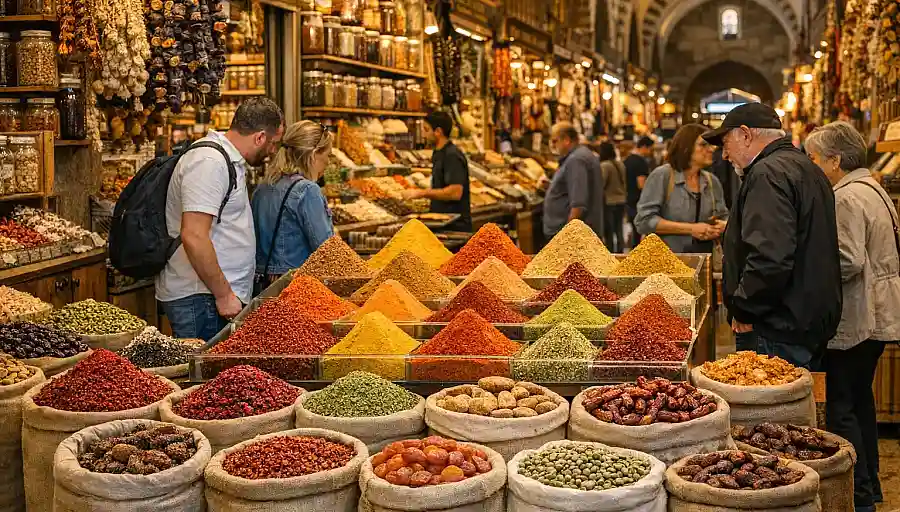
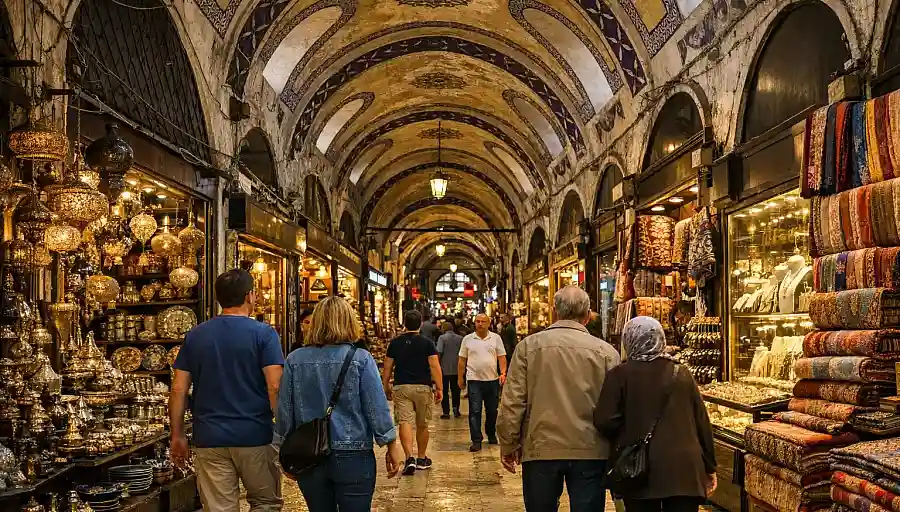
Shopping history: Grand Bazaar and Spice Market
The bazaars are not just “shopping stops”. They are part of how Istanbul works: trade, social life, and daily errands happening alongside souvenir browsing. Even if you don’t plan to buy much, they are worth visiting for the atmosphere.
Grand Bazaar: what it’s really like inside
The Grand Bazaar is a huge covered market with a maze-like feel. The main corridors can be busy, but there are quieter sections as you move away from the most obvious entrances. You’ll find everything from textiles and ceramics to jewellery and leather goods, with quality and authenticity varying widely.
A few practical tips help you enjoy it more:
- Go in with a purpose: even a loose idea (ceramics, scarves, gifts) keeps the experience enjoyable rather than overwhelming.
- Expect friendly sales talk: a polite “No, thank you” is normal and understood.
- Bargaining can be part of the culture: it’s usually done calmly and respectfully, and it’s fine to walk away if you’re unsure.
- Keep receipts and packaging sensible: especially if you plan to fly home with fragile items.
If you’re travelling from Poland and hoping for gifts that pack easily, think lightweight textiles, small ceramics, or Turkish delight from reputable shops. For anything expensive, take your time and compare a few options.
Spice Market (Egyptian Bazaar): colour, aromas and edible souvenirs
The Spice Market is smaller and easier to navigate than the Grand Bazaar, making it a good choice if you want a lively market experience without feeling lost. The focus is on edible items and fragrant goods: spices, teas, dried fruit, nuts, sweets and traditional products. It can get crowded, but it’s usually a fun stop with plenty to see even if you only spend a short time.
If you’re sensitive to strong smells, it’s worth taking short breaks outside and returning. If you have food allergies or dietary requirements, ask clearly what’s inside mixes and sweets; ingredients can vary from stall to stall.
Practical tips that help most visitors (including many from Poland)
When to visit to avoid the biggest crowds
Crowds tend to build from late morning, especially in Sultanahmet. Starting early often makes a noticeable difference. If the square feels too busy, switch the order and return later; Istanbul rewards flexibility.
What to wear and bring for these sights
- Comfortable walking shoes: you’ll cover more ground than you expect, and some surfaces can be uneven.
- A light scarf: useful for mosque visits and also for sun protection.
- A reusable water bottle: particularly in warmer months.
- Cash and a card: payment options vary by shop and can change; small notes are handy in markets.
- Patience and a calm pace: the biggest “secret” for enjoying Istanbul’s icons is not trying to do everything at once.
Photography and respectful behaviour
You can take wonderful photos in Istanbul, but some interior areas (especially in active religious spaces) may have rules about flash, tripods, or where you can stand. If you’re unsure, follow posted guidance and staff instructions. A respectful approach is always appreciated.
Families and older travellers
These sights can work well for families, but plan breaks and snacks, and keep expectations realistic for long queues. For older travellers or anyone with limited mobility, the main challenge is not the visit itself but the amount of walking and standing. If comfort is a priority, consider spreading the sights over two days and using transport between areas rather than trying to walk everything.
A calm way to finish your day
After the major landmarks and markets, the nicest memories often come from the quieter moments: sitting with tea near the bazaar, watching the light change around the domes in Sultanahmet, or enjoying the sense of space around Süleymaniye. Istanbul can feel intense, but it doesn’t have to feel rushed.
If you’d like to explore these places with clear planning and local support, TurPolia can help arrange guided visits and day schedules that match your pace and priorities. Whichever route you choose, a little preparation and a flexible mindset will make these historic highlights far more enjoyable.
Frequently Asked Questions
Do I need to book tickets in advance for Topkapı Palace and other sights?
It depends on the season and how busy Istanbul is during your travel dates. Some visitors prefer to arrange tickets and guiding in advance to reduce queuing, while others decide on the day. Rules and availability can change, so it’s sensible to keep your plan flexible.
What should I wear when visiting Hagia Sophia, the Blue Mosque and Süleymaniye Mosque?
Dress modestly with shoulders and knees covered. Women are normally asked to cover their hair in mosque prayer areas, so carrying a light scarf is helpful. You will remove your shoes in mosque areas, so wear footwear that is easy to take on and off.
Can I visit the Blue Mosque during prayer time?
Because it is an active mosque, visitor access is usually limited during prayers. The easiest approach is to plan your visit outside prayer periods, or be ready to wait and visit another nearby sight before returning.
Is bargaining expected in the Grand Bazaar and the Spice Market?
Bargaining is common in many bazaar shops, especially for souvenirs and non-food items. It’s usually done politely and without pressure. If you don’t feel comfortable, it’s fine to ask for a final price or simply thank the seller and move on.
How much time should I allow for these seven places?
Many travellers spread them over two days for a calmer pace, especially if they want time for breaks and unplanned stops. Trying to see all seven in one day can feel rushed, particularly in peak season when queues are longer.
Can I pay by card in the bazaars, or should I carry cash?
Some shops accept cards, while others prefer cash, and this can vary by stall and over time. Carrying a mix of cash and a payment card is practical, especially if you want to buy small items or snacks without delays.
Tales Beyond Borders


