


Polonezköy: The Polish Village of Istanbul and the Story Behind It

Not every story of Istanbul is written in stone and minarets. Some chapters are hidden among chestnut trees, quiet lanes and garden fences, where birdsong replaces traffic. Polonezköy, often called Istanbul’s “Polish Village”, is one of those places: a small settlement with a history shaped by exile, hospitality and the stubborn hope of starting again.
Today, Polonezköy is best known as a green escape on the Asian side of the city—popular for country breakfasts, woodland walks and unhurried afternoons. Yet beneath that relaxed weekend atmosphere lies a real historical thread: a community formed by Polish émigrés in the Ottoman lands, and a village that carried memories of home while learning to live in a new world.
If you are planning a holiday in Türkiye and want to add something different to your Istanbul days—something peaceful, meaningful and easy to combine with the city—Polonezköy makes a rewarding detour.
Where is Polonezköy?
Polonezköy sits on Istanbul’s Asian side, in a greener, more rural pocket of the province than most visitors expect. The setting is wooded and gently hilly, with village roads, small properties and patches of forest that feel far removed from the Bosphorus ferries and busy bazaars.
Many travellers visit as a day trip from central Istanbul. Journey times can vary greatly depending on where you start from and, above all, on traffic. If you are visiting at the weekend, it is wise to plan with extra time and a patient mood—Polonezköy is a popular place for city residents seeking fresh air.
The origin story: why Polish people came to the Ottoman lands
To understand Polonezköy, it helps to picture Europe in the nineteenth century, when borders and empires were constantly shifting. Many Poles who sought political freedom found themselves facing heavy pressure after uprisings and unrest. A great number left their homeland and joined what is often remembered as the wider Polish émigré movement of that era.
The Ottoman Empire became one of the places where Polish exiles and refugees could find a measure of safety. Istanbul, as an imperial capital with diplomatic life and international communities, was a natural centre. Some newcomers worked in trades, some served as advisers or soldiers, and others looked for a way to live quietly and keep their culture alive.
In this climate, the idea of a small agricultural settlement took shape: a place where Polish families could work the land, raise children, practise their traditions and maintain a sense of identity—without forgetting that they were guests in someone else’s country.
From Adampol to Polonezköy: a village takes root
Polonezköy is also known by an older name: Adampol. The settlement was founded in the mid-nineteenth century by Polish émigrés, with support connected to the Polish political community abroad and permission from Ottoman authorities. The aim was practical as well as emotional: to build a stable village life from uncertain circumstances.
The earliest years would not have been easy. Creating a village from scratch means clearing land, building homes, learning the seasons of a new landscape and finding a way to make a living. These settlers brought knowledge of farming and crafts, and they adapted to local conditions—sometimes slowly, sometimes out of necessity. Over time, a small community formed with its own rhythms: work, worship, family gatherings and the simple routines that make a place feel like home.
Yet Polonezköy was never a sealed-off enclave. It existed within the Ottoman world and, later, within the Republic of Türkiye. The story is not only about preserving Polishness; it is also about exchange. Neighbours, markets, marriages, friendships and shared concerns all shaped daily life. The result was a village identity with more than one thread: Polish roots woven into Turkish soil.
What remains of the Polish character today?
Visitors sometimes arrive expecting a museum-like village that has stood unchanged. Polonezköy is not that. It is a living place, shaped by modern Istanbul as well as by its heritage. You may notice Polish names, references to Polish history, and occasional cultural events or symbols, but you will also see a typical Turkish countryside weekend scene: family tables, outdoor meals, and locals escaping the city.
What often feels most “historic” is the atmosphere rather than any single monument: the idea of a community founded by newcomers, and the gentler pace that still survives in the trees and gardens.
What to expect when you visit Polonezköy
Polonezköy is best approached as a calm outing rather than a checklist of sights. The pleasure is in slowing down—walking, eating well, and noticing the details.
Depending on the day and season, your visit might include:
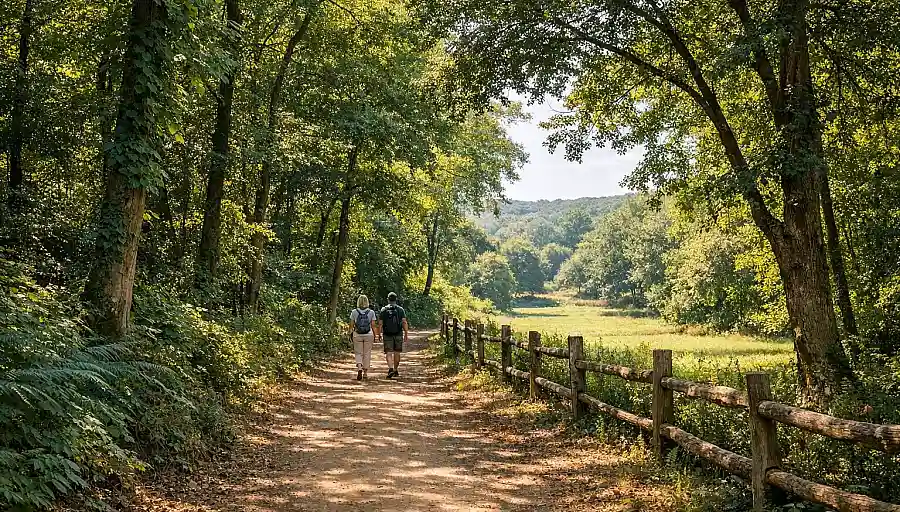
- a stroll along village roads lined with greenery and low houses
- woodland walks and fresh air in the surrounding natural areas
- a long breakfast or lunch in a garden setting
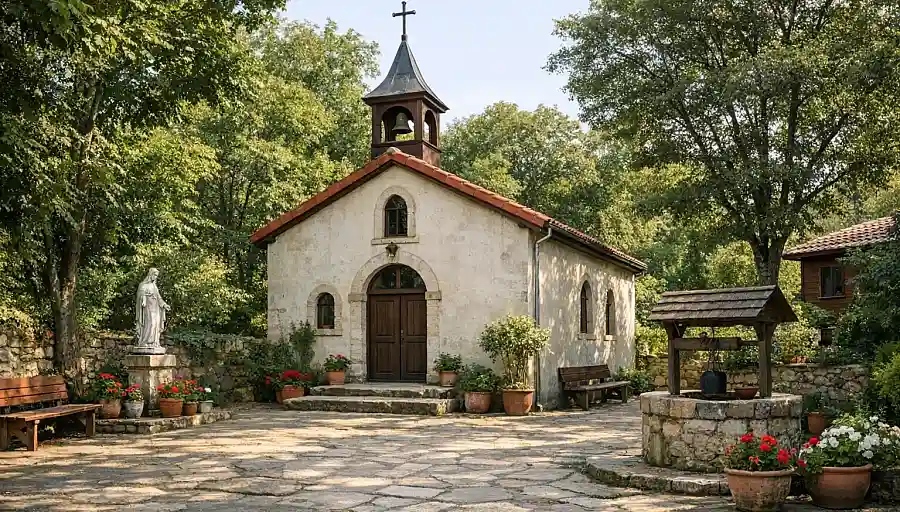
- small heritage points linked to the Polish past, such as memorials or a cemetery
- photography that focuses on rural Istanbul: trees, fences, light and quiet corners
The overall mood is relaxed. It is common to see families with children, couples on a day out, and groups of friends taking their time. On busy weekends, that calm can come with crowds, so weekday visits can feel more spacious if your schedule allows.
A gentle itinerary idea: how to spend a few hours
If you are visiting as a half-day or day trip, a simple plan often works best.
1) Start with a walk
Arrive and take a short walk first, before sitting down to eat. In warm weather, walking earlier in the day can feel more comfortable. In cooler months, a brisk stroll through the trees is one of Polonezköy’s quiet joys.
2) Choose a leisurely meal
Polonezköy is known in Istanbul for countryside dining—often served outdoors when the weather allows. Menus and styles vary from place to place and can change seasonally. If you have dietary needs, it is sensible to ask in advance once you are there, especially on busy days.
3) Look for small traces of history
Rather than expecting a single headline attraction, look for modest reminders of the village’s roots: names, memorial points, and places connected to community memory. A respectful visit to historic spots can add meaning to what might otherwise be “just” a nice escape into the green.
Nature, seasons and the countryside feel
Part of Polonezköy’s charm is simply that it is green. The surrounding woodland and rural roads offer a side of Istanbul that first-time visitors often do not realise exists.
Spring and early summer
Spring is a favourite time for many visitors because the landscape looks fresh and the air feels lighter. Early summer can be lovely too, though the warmth increases and weekends can become busier.
High summer
In the hottest weeks, midday can feel strong, especially if you are walking in open areas. If you visit in summer, it helps to plan shade breaks and carry water. Weather patterns can vary from year to year, so it is wise to check the forecast shortly before you go.
Autumn and winter
Autumn colours suit Polonezköy well, and cooler air can make walking more comfortable. Winter visits can still be enjoyable, particularly if you like quiet places and do not mind crisp weather. Rain can change the feel of the village roads and trails, so footwear matters.
How to get there: planning without stress
Polonezköy is typically reached by road. Some travellers go by taxi or private transfer, while others combine public transport with a final short taxi ride. The best option depends on where you are staying in Istanbul and how confident you feel with local transport connections.
A few practical points to keep in mind:
- Traffic can be the deciding factor. Istanbul traffic varies widely by hour and day, and weekends can add pressure on routes towards popular green areas.
- Allow flexibility. If you want a peaceful day, avoid planning Polonezköy between two timed commitments on the same day.
- Consider comfort. If you are travelling with children or older relatives, a direct transfer can make the outing feel far easier.
If you prefer a more structured visit, TurPolia can advise on arranging transport and timing in a way that suits your hotel location and the season, keeping the day relaxed rather than rushed.
Who Polonezköy is suitable for
Polonezköy appeals most to travellers who enjoy atmosphere and stories, not only famous sights. It can be a very good fit if you want to balance Istanbul’s intensity with a quieter countryside interlude.
It may suit you particularly well if you are:
- interested in lesser-known chapters of Istanbul’s multicultural past
- looking for nature and fresh air without leaving the Istanbul province
- keen on slow travel: walking, eating and observing daily life
- travelling as a couple, family or small group who would enjoy a gentle day out
If your priority is major museums and monumental architecture, you may prefer to keep Polonezköy as an optional extra rather than a central part of your itinerary.
Family notes: visiting with children
Many families like Polonezköy because children can move about more freely than they can in crowded city centres. That said, the experience depends on where you go and how busy it is.
A few practical suggestions:
- Choose comfortable shoes for everyone, especially if you plan to walk on uneven village roads or natural paths.
- Carry water and small snacks, particularly if you are travelling with younger children.
- On weekends, consider arriving earlier to avoid the busiest dining hours.
If you are travelling with a pushchair, be aware that rural surfaces can be less smooth than city pavements. A lightweight, sturdy option is often easier than a large pram.
What to bring (simple, sensible essentials)
Polonezköy does not require special equipment, but a few items can make your day more comfortable.
- Walking shoes with a decent grip, especially outside dry summer conditions
- A light layer, as the countryside can feel cooler than central Istanbul
- Water, particularly if you plan to walk before sitting down to eat
- Insect repellent in warmer months, depending on your sensitivity
- A small umbrella or rain jacket in changeable weather
If you enjoy photography, this is a place for details: morning light on leaves, quiet fences, village corners and the gentle contrast between cultivated gardens and wilder woodland.
A respectful approach to a place with memory
Polonezköy’s story is rooted in displacement and rebuilding. Even if you visit mainly for nature and food, it is worth remembering that this village began as a refuge and a community project.
If you visit heritage spots such as a cemetery or memorial area, keep your tone quiet and respectful. These places are not stage sets. They are part of how the village remembers its founders and the lives that unfolded far from their original homeland.
Why Polonezköy still matters on an Istanbul itinerary
Istanbul is often described as a bridge between worlds. Polonezköy offers that idea on a human scale. It is not about grand imperial drama; it is about people who arrived with heavy hearts and practical hands, and who built something lasting in a landscape that was not originally theirs.
For travellers, the reward is twofold. You get a green, restorative day outside the city’s busiest zones—and you also gain a story to carry home: a reminder that Istanbul’s history includes not only sultans and traders, but also villagers, émigrés and families who made a new life among the trees.
If you enjoy travel experiences that feel calm, slightly hidden and rich with background, Polonezköy deserves a place on your map of Istanbul.
Frequently Asked Questions
Is Polonezköy worth visiting if I only have a few days in Istanbul?
It can be, especially if you would like a half-day of nature and a quieter atmosphere to balance busy sightseeing. If your schedule is very tight and focused on major landmarks, you may prefer to keep it as an optional extra.
Do people in Polonezköy still speak Polish?
You may still come across Polish family names and cultural references, but daily life today is largely Turkish. The village’s Polish roots are most visible in its heritage and community memory rather than in everyday language on the street.
How do I get to Polonezköy from central Istanbul?
Most visitors reach Polonezköy by road, either by taxi, private transfer, or a combination of public transport and a short taxi ride. Travel time can change a lot depending on traffic, your starting point, and the day of the week.
What are the main things to do in Polonezköy?
People usually go for countryside walks, woodland scenery, relaxed meals in garden settings, and to see small heritage points linked to the village’s Polish past. It is more of a slow, atmosphere-based visit than a place with many big attractions.
When is the best season to visit Polonezköy?
Spring and autumn are popular for comfortable walking weather and pleasant scenery, while summer can be warmer and busier at weekends. Winter can be peaceful too, but conditions vary and rain can affect paths and rural roads.
Tales Beyond Borders


