


Ramadan Bayramı and Kurban Bayramı in Türkiye: A Traveller’s Guide

Ramadan Bayramı and Kurban Bayramı are Türkiye’s two most important religious holidays (bayramlar). For visitors, they can be a wonderful time to see family traditions, festive sweets and a warm social atmosphere — but they can also affect transport, traffic and business opening hours. The exact dates change every year because they follow the Islamic lunar calendar, so it’s worth checking your travel dates early and staying flexible with plans.
What are Ramadan Bayramı and Kurban Bayramı?
Both holidays are widely observed across Türkiye and centre on family, community, generosity and respect for elders. You’ll often hear people refer to them simply as Bayram (holiday), although locals may also specify which one they mean.
Ramadan Bayramı marks the end of Ramadan, the month of fasting. It’s a time of celebration, visiting relatives, and sharing sweets and special meals.
Kurban Bayramı (the Feast of Sacrifice) focuses on charity and sharing with others, alongside family gatherings and holiday meals. You may notice more emphasis on giving and supporting people in need at this time.
Ramadan Bayramı: what travellers will notice
In the days leading up to Ramadan Bayramı, many people prepare for family visits and host guests at home. Food plays a big role, and it’s very common to offer visitors something sweet with tea or coffee.
Sweets, treats and hosting
If you’re invited into a home (or even welcomed into a small shop), you may be offered traditional sweets, chocolates or pastries. Accepting a small treat is a simple way to share the moment, and it’s fine to take just a little if you prefer.
Family visits and respect for elders
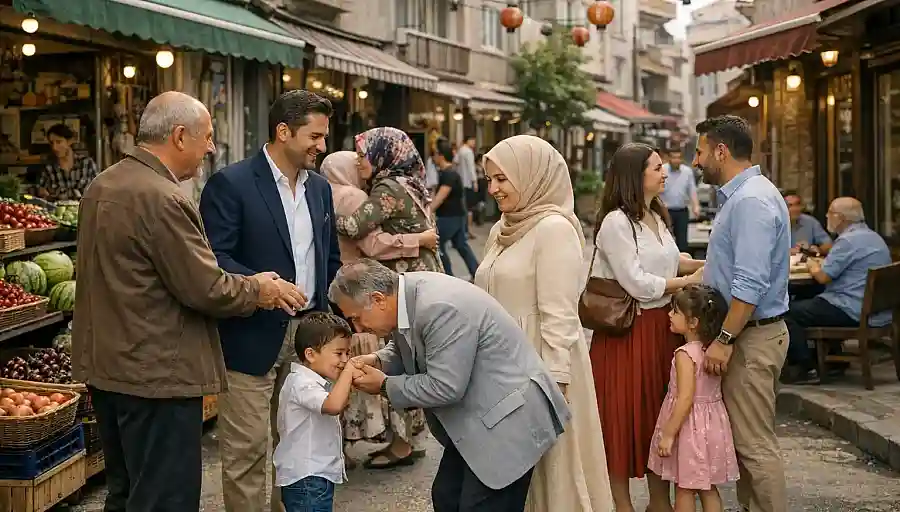
Bayram is strongly associated with visiting older relatives and spending time together. In many neighbourhoods you’ll see families dressed neatly, moving between homes, and greeting neighbours. The social side of the holiday is part of what makes it so visible to visitors.
Kurban Bayramı: meaning, charity and community
Kurban Bayramı is a major holiday period in Türkiye that combines family gatherings with a strong tradition of charity. The purpose is not only celebration but also sharing — especially supporting people who may struggle to afford good meals.
Charity and sharing
You may hear people talk about giving to charity, donating, or distributing food to others. As a tourist, you’re not expected to take part, but it helps to understand the spirit of the holiday: generosity, community responsibility and care for others.
A different rhythm in towns and cities
Depending on where you travel, some neighbourhoods can feel quieter at certain times (as families visit each other), while travel hubs and main roads can be busier. The overall atmosphere is still festive, but the daily routine may shift.
Practical travel tips for tourists during Bayram
If your trip overlaps with either Bayram, a little planning can save time and stress. The key point is that services may run differently, and popular routes can fill up.
Dates change every year
Because both holidays follow the Islamic calendar, their dates move each year. If you’re booking flights, intercity buses, trains or guided experiences, confirm the holiday dates for your travel year and keep an eye on updated schedules closer to departure.
Transport, traffic and getting around
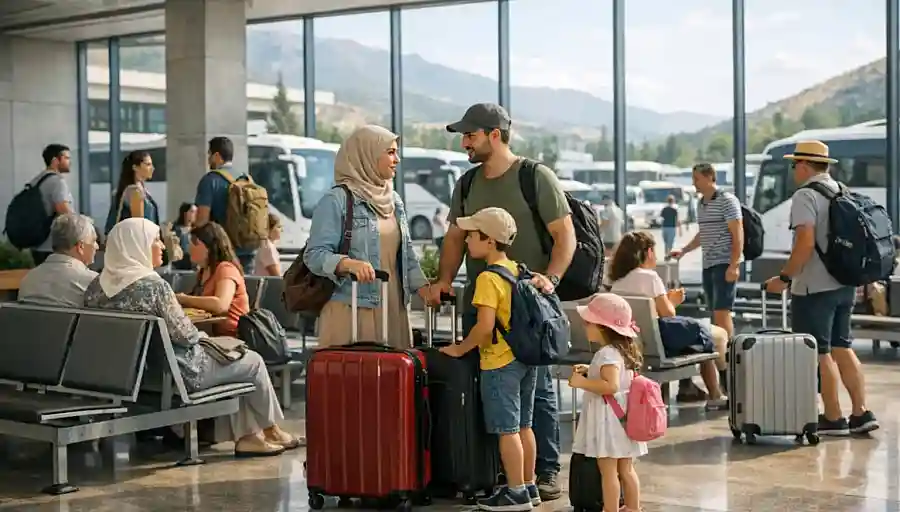
Many residents use Bayram as a time to travel to see family, which can mean heavier traffic and higher demand for transport on certain days. This is most noticeable on routes between major cities and towards popular holiday regions.
- Book intercity travel early if you already know your dates.
- Allow extra time for airport transfers and long-distance road journeys, especially if you’re travelling on a key holiday travel day.
- Confirm pick-up points for tours and transfers, as some city centres may have temporary access changes or congestion.
Opening hours: what to expect
During Bayram, some businesses operate with reduced hours, and some may close on certain days — while others (especially in tourist areas) stay open. This can affect restaurants, local markets, museums and smaller attractions.
- Check ahead for museums, attractions and experiences you don’t want to miss.
- Make reservations if you’re hoping to visit a specific restaurant, particularly in busy areas.
- Plan a flexible day in case a favourite place is closed when you arrive.
Hotels are usually used to the holiday rhythm and can often advise on what’s open locally and when transport is likely to be busiest.
Local customs and etiquette during Bayram
Tourists are welcome during Bayram, and you don’t need specialist knowledge to be respectful. A few small gestures go a long way.
Greetings you may hear
People commonly wish each other a happy holiday. You might hear “Bayramınız kutlu olsun” (happy Bayram). A friendly smile and simple politeness are always enough, even if you don’t speak Turkish.
Dress and behaviour
In everyday holiday settings, dress is similar to any normal day in Türkiye, though many locals choose smart outfits for visiting family. If you visit a mosque or religious site, follow the usual modest dress expectations and keep your tone calm and respectful.
Food, invitations and photos
If someone offers you sweets or tea, it’s a sign of hospitality. It’s polite to accept at least a small amount if you can. If you want to take photographs of people (especially in more personal settings), ask first — Bayram is a family-focused time, and not everyone wants to be photographed.
Is Bayram a good time to visit Türkiye?
Bayram can be a memorable time to visit, especially if you enjoy seeing local life beyond the usual sightseeing. You’ll likely notice a stronger sense of community, plenty of sweet treats in shops, and a different pace in residential neighbourhoods.
The main trade-off is practicality: higher demand for transport and occasional changes to opening hours. If you plan ahead and keep your schedule flexible, travelling during Bayram can work very well.
A final note on planning
If you’re building an itinerary around Bayram dates — or trying to avoid the busiest travel days — it helps to do a quick sense-check of your plan a little closer to arrival, as timetables and opening hours can vary by city and by year. For more destination ideas and practical travel reading, you can browse the TurPolia blog at https://turpolia.com/en/blog.
Frequently Asked Questions
Do things close during Ramadan Bayramı or Kurban Bayramı in Türkiye?
Some places may close or run shorter hours during Bayram, especially smaller local businesses. In tourist areas, many restaurants and services stay open. It’s best to check ahead for specific museums, attractions or venues.
Will transport be busier during Bayram?
Often, yes. Many people travel to visit family, so intercity buses, flights and main roads can be busier around the holiday period. Booking in advance and allowing extra time for transfers is sensible.
What should I say to locals during Bayram?
A simple smile and polite greeting is enough. You may hear “Bayramınız kutlu olsun” (happy Bayram), and you can say it back if you feel comfortable.
Is it respectful to eat and drink in public during Bayram?
During Bayram itself, eating and drinking in public is generally normal. If your trip also overlaps with Ramadan (the fasting month), behaviour can vary by area, so it’s considerate to be discreet in more conservative neighbourhoods.
Can tourists take part in Bayram traditions?
Tourists aren’t expected to take part, but you may be included in simple hospitality such as being offered sweets or tea. If you’re invited into a home or community setting, polite behaviour and respect for personal space and privacy are appreciated.
TurPolia Blog
Travel stories and local tips for discovering Turkey.


